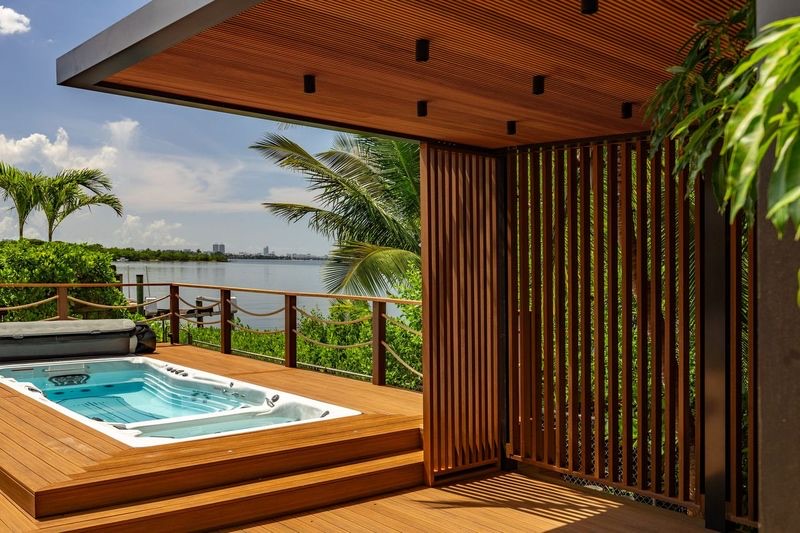
Premium wood can completely transform a project, but choosing the wrong material, profile, or finish can become an expensive mistake. Use this checklist before you order.
1. Start with the application
Not every wood is right for every application. The right species depends on where and how the wood will be used.
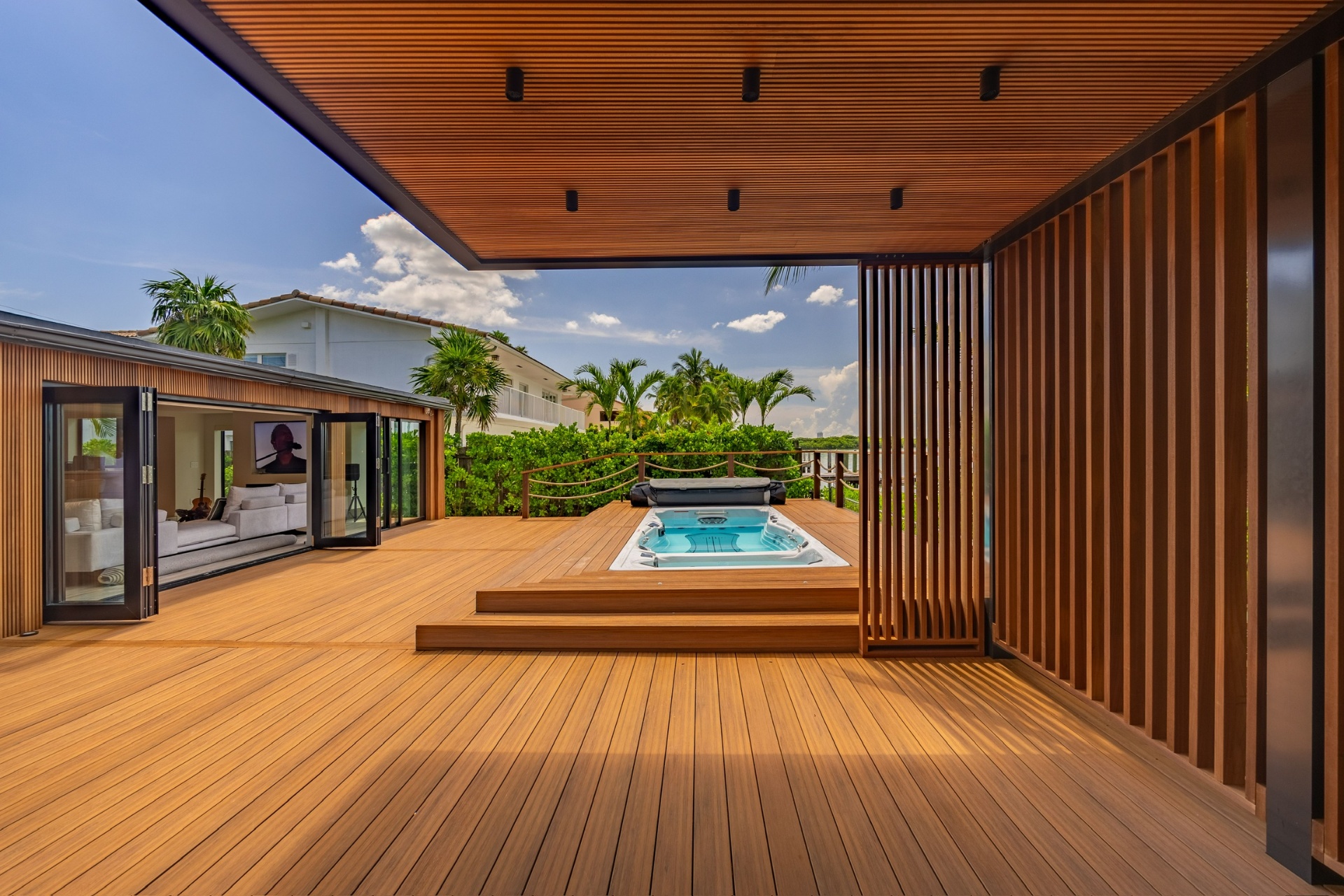
- Cladding — exterior walls need dimensional stability and UV resistance.
- Decking — horizontal surfaces need density, hardness, and slip resistance.
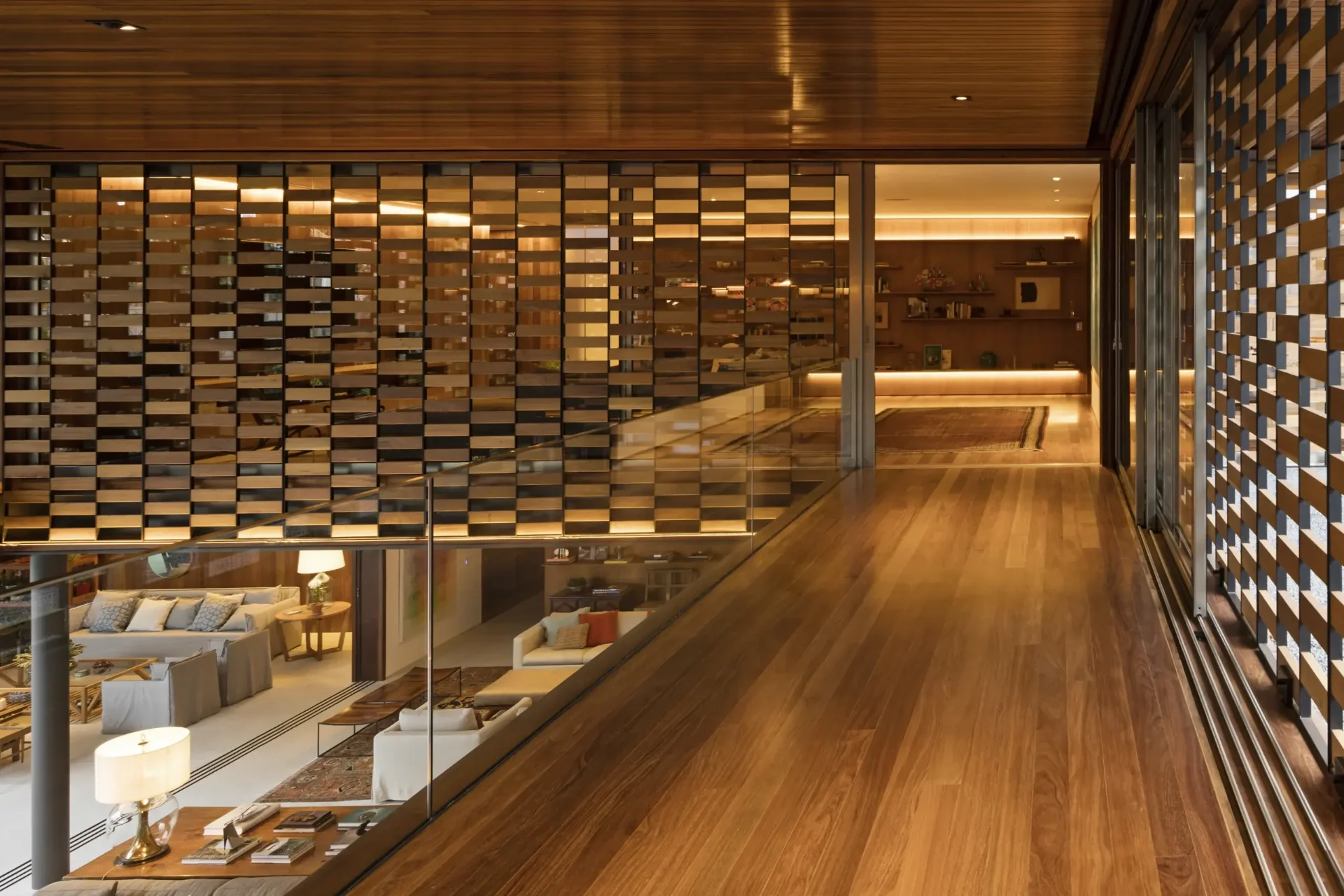
- Ceiling — interior or covered exterior ceilings prioritize appearance and light weight.
- Trim & corners — must match the primary material in species, color, and finish.
2. If it's decking, density matters
Decking needs to handle foot traffic, weather, moisture, and long-term wear. That's why dense hardwoods like Ipe, Cumaru, Garapa, and Thermo Ash are often strong options — they resist denting, cupping, and rot far better than softwoods or low-density species.
3. Wall & ceiling cladding is different
For cladding, the decision is also about design, profile, weight, stability, finish, and installation — not just durability. The right cladding wood needs to stay flat over time, handle UV exposure, and hold its profile without cupping or twisting.
That's why thermally modified woods like Thermo Ayous, Thermo Scandinavian, and Thermo Ash are strong options. The thermal modification process improves dimensional stability and rot resistance while keeping the wood light enough for vertical installation.
Planning a decking or cladding project?
Use our material estimator or explore our premium hardwood and thermo wood materials.
4. Profile changes everything
The same species can feel completely different depending on the profile. Profile affects how the wood installs, how light hits it, and what application it's best for.
- T&G V-Joint / Nickel Gap — smooth, seamless, refined. Great for ceilings, soffits, walls, and exterior siding.
- Fluted — textured, bold, architectural. Great for accent walls, statement areas, and decorative cladding.
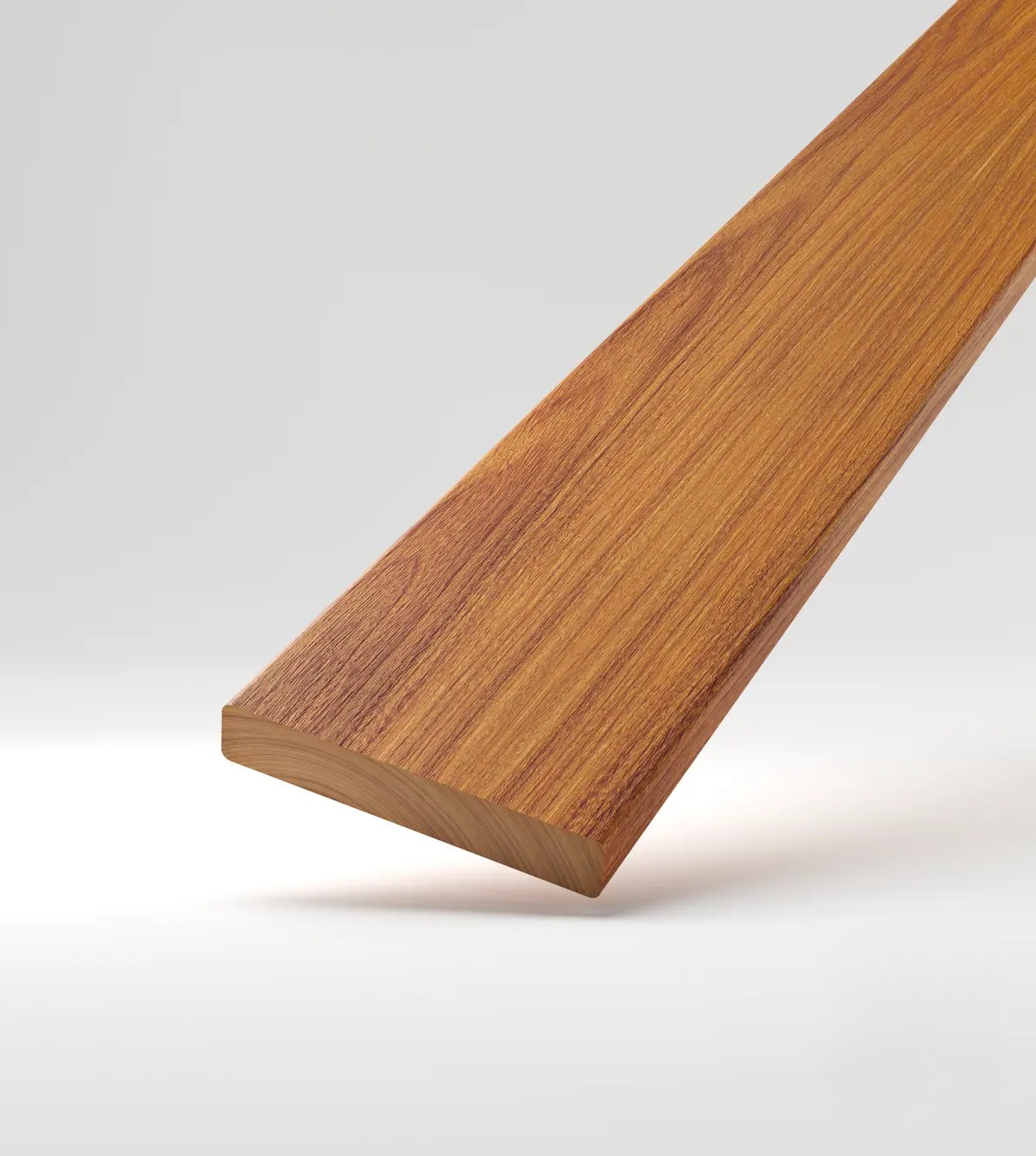
- S4S — versatile, clean, adaptable. Great for trim, slats, battens, screens, borders, framing, or custom details.
- Grooved — secure, durable, elegant. Best for decking when you want hidden fasteners and a cleaner finished look.
5. Finish affects color and maintenance
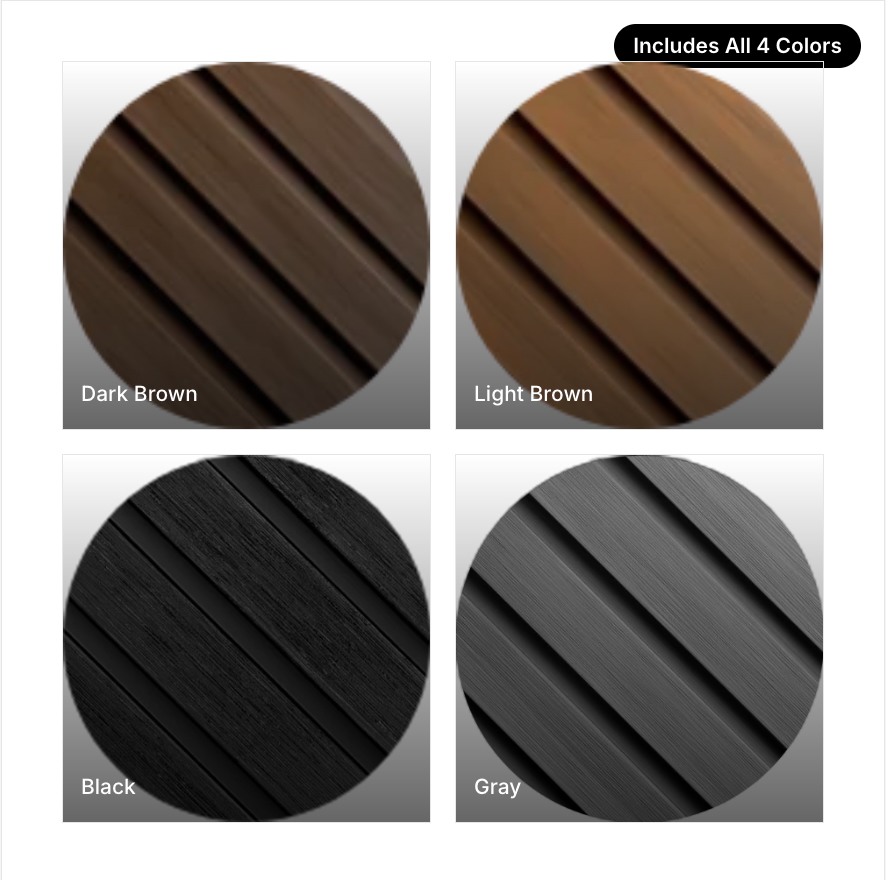
A finish can affect the tone, protection, and maintenance schedule of your wood. Clear finishes keep a natural look. Tinted finishes can add richness and UV protection.
- Standard — natural, light tone.
- Conditioner — softly enhanced tone.
- Teak — warm, golden tone.
- Ebony — deep, rich tone.
Tinted finishes generally extend the maintenance interval because the added pigment blocks more UV.
6. Quantity needs a waste factor
Don't calculate only the visible area. Cuts, corners, openings, layout, and board lengths can all affect the final quantity. Most projects need a waste factor of 10–15%, and complex layouts may need up to 20%.
- Cuts — trimming boards to fit.
- Corners — inside and outside corners create waste.
- Openings — windows, doors, and vents require cutouts.
- Board lengths — standard lengths may not match your layout.
7. Samples prevent expensive mistakes
Photos help, but samples let you see the real color, texture, profile, and finish in your own lighting. Always order samples before committing to a full order — it's the cheapest insurance against a costly mismatch.
Premium wood, made easier
At iLumber, you can explore curated premium cladding and decking wood options online, order samples, and get real project support before you buy — all in one place.
Ready to start your project?
Explore our premium materials or get help planning your project.