
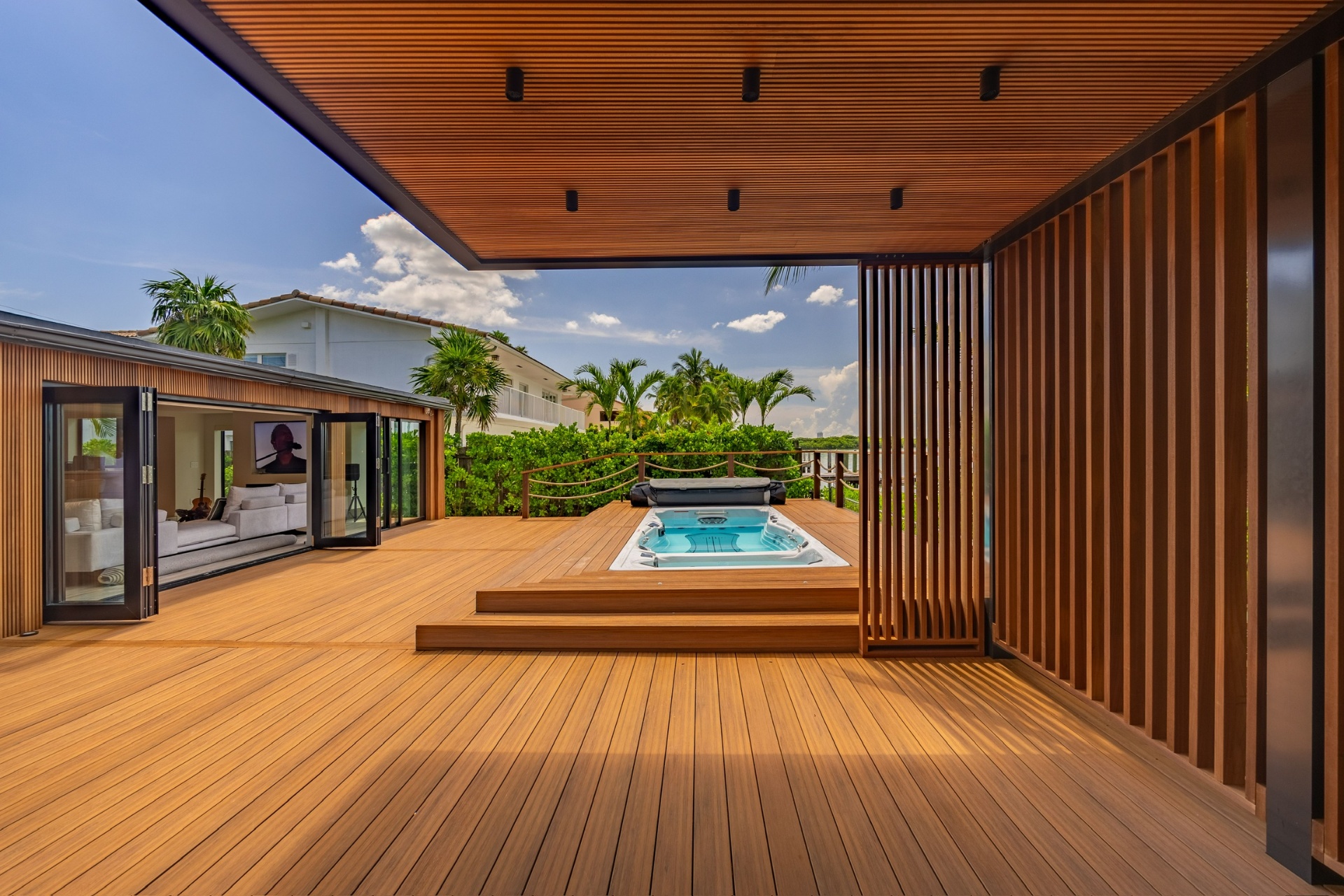
Choosing between ipe hardwood and composite decking is one of the most important decisions homeowners and builders face when planning an outdoor living space. Both materials offer distinct advantages, but they differ significantly in durability, aesthetics, cost, and long-term value. This guide breaks down every factor so you can make an informed decision for your project.
What Is Ipe Decking?
Ipe (pronounced "ee-pay") is a tropical hardwood native to Central and South America, also known as Brazilian Walnut. It is one of the densest and most durable woods available for exterior applications. Ipe has been used for centuries in demanding environments, from boardwalks to marine docks.
Key characteristics of ipe wood include:
- Janka hardness rating of 3,680 lbf — harder than most domestic hardwoods
- Class A fire rating — the highest rating for flame spread resistance
- Natural resistance to rot, insects, and decay without chemical treatment
- Density of approximately 69 lbs per cubic foot
- Lifespan exceeding 50 years with minimal maintenance
What Is Composite Decking?
Composite decking is an engineered product made from a blend of wood fibers, plastic polymers (typically polyethylene or PVC), and binding agents. Modern composite boards are designed to mimic the look of natural wood while reducing maintenance requirements.
Composite decking typically features:
- A protective polymer cap layer to resist staining and fading
- Wood-plastic composite (WPC) or PVC core
- Consistent color and texture across boards
- Resistance to splintering and warping
- A typical lifespan of 25–30 years
Durability Comparison
Durability is where ipe and composite decking diverge most dramatically.
| Factor | Ipe Hardwood | Composite |
|---|---|---|
| Lifespan | 50+ years | 25–30 years |
| Scratch Resistance | Excellent (Janka 3,680) | Moderate |
| Fire Rating | Class A | Varies (Class B–C) |
| UV Resistance | Grays naturally; oil restores color | Cap layer protects; may fade |
| Mold/Mildew | Naturally resistant | Resistant with capping |
| Structural Strength | Can span longer distances | Requires closer joist spacing |
Ipe's extraordinary density makes it one of the few woods that can be submerged in water without deteriorating. This is why it is the material of choice for the Coney Island Boardwalk and other high-traffic public installations.
Planning a decking or cladding project?
Use our material estimator or explore our premium hardwood and thermo wood materials.
Cost Considerations
Initial material cost is one area where composite decking often appears more affordable. However, the total cost of ownership over the life of the deck tells a different story.
Initial cost per square foot (materials only):
- Ipe decking: $14–$25 per sq ft
- Premium composite: $6–$12 per sq ft
- Budget composite: $3–$6 per sq ft
Lifetime cost analysis (30-year period):
When factoring in replacement costs (composite decks typically need replacement at 25–30 years) and maintenance supplies, ipe decking often delivers a lower cost per year of service. A well-maintained ipe deck can last 50+ years without replacement, effectively halving the per-year cost compared to composite alternatives.
Maintenance Requirements
Maintenance is often cited as the primary advantage of composite decking, but the reality is more nuanced than marketing materials suggest.
Ipe maintenance:
- Annual cleaning with mild soap and water
- Optional: UV-protective oil application once or twice per year to maintain original color
- If left untreated, ipe weathers to an attractive silver-gray patina
- No sealing, staining, or painting required
Composite maintenance:
- Regular cleaning to prevent mold growth between cap and core
- Stain removal may require specialized cleaners
- Cannot be sanded or refinished if damaged
- Scratches and gouges are permanent
Aesthetic Differences
This is largely a matter of preference, but there are objective differences worth noting.
Ipe offers a rich, deep grain pattern that is unique to each board. The natural variation creates visual depth that engineered products struggle to replicate. The wood ranges from olive brown to dark chocolate brown, with subtle grain patterns that catch light differently throughout the day.
Composite decking offers consistent color and pattern across boards. While modern composites have improved significantly in mimicking wood grain, they still lack the natural depth and warmth of real hardwood. Under direct comparison, most people can identify composite as synthetic.
Environmental Impact
Both materials have environmental considerations:
- Ipe: When sourced from FSC-certified forests, ipe is a renewable resource. It is biodegradable at end of life and requires no chemical treatments. Look for suppliers that provide FSC certification.
- Composite: Often marketed as eco-friendly due to recycled content, but composite boards are not recyclable at end of life and will eventually end up in landfills where they will not decompose.
Installation Notes
Ipe requires pre-drilling due to its extreme hardness. Specialized drill bits and fasteners are recommended. Professional installation is common, though experienced DIYers can handle the project with proper tools.
Composite decking is generally easier to cut and fasten, making it more accessible for DIY installation. Most composite systems use hidden clip fasteners for a clean surface appearance.
Both materials benefit from proper substructure preparation and adequate ventilation beneath the deck surface.
Which Should You Choose?
Choose ipe if:
- You want a deck that lasts 50+ years
- You value natural beauty and authentic wood grain
- Fire resistance is important (wildfire zones, commercial projects)
- You prefer a material that improves with age
- Long-term value matters more than initial cost
Choose composite if:
- Minimal maintenance is your top priority
- You prefer a uniform, consistent appearance
- Budget is the primary constraint
- You plan to sell the property within 10–15 years
Ready to start your project?
Explore our premium materials or get help planning your project.