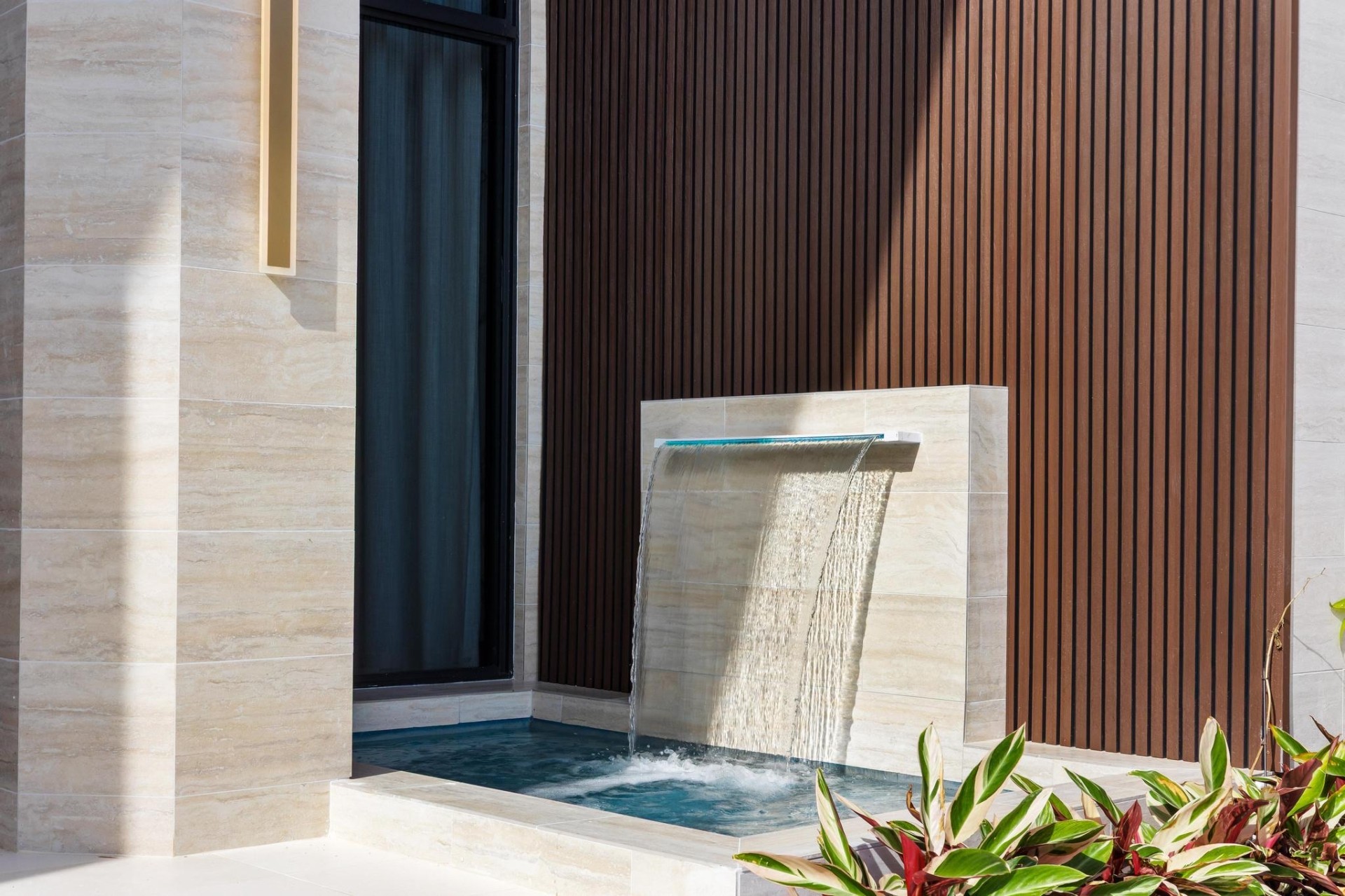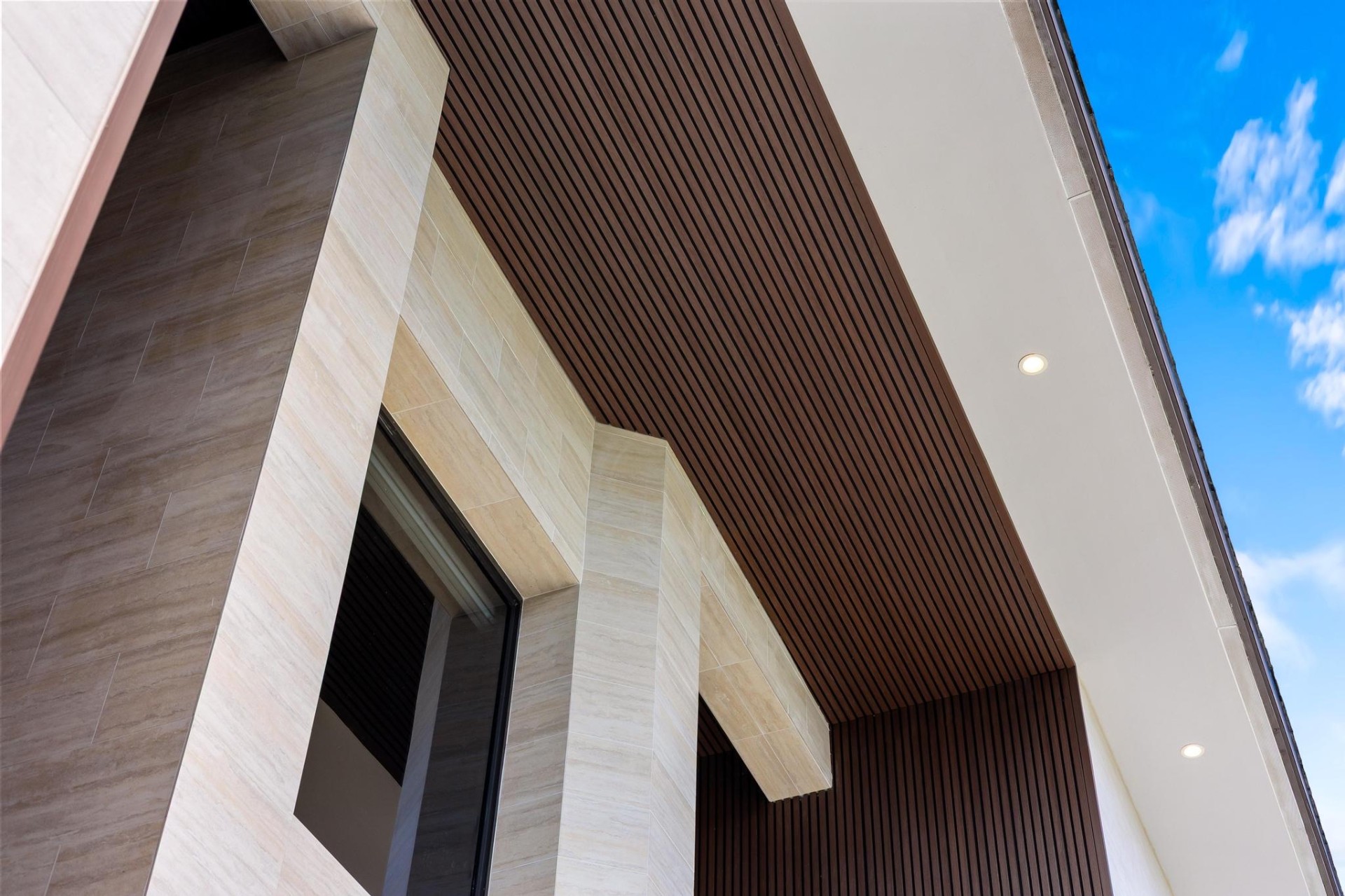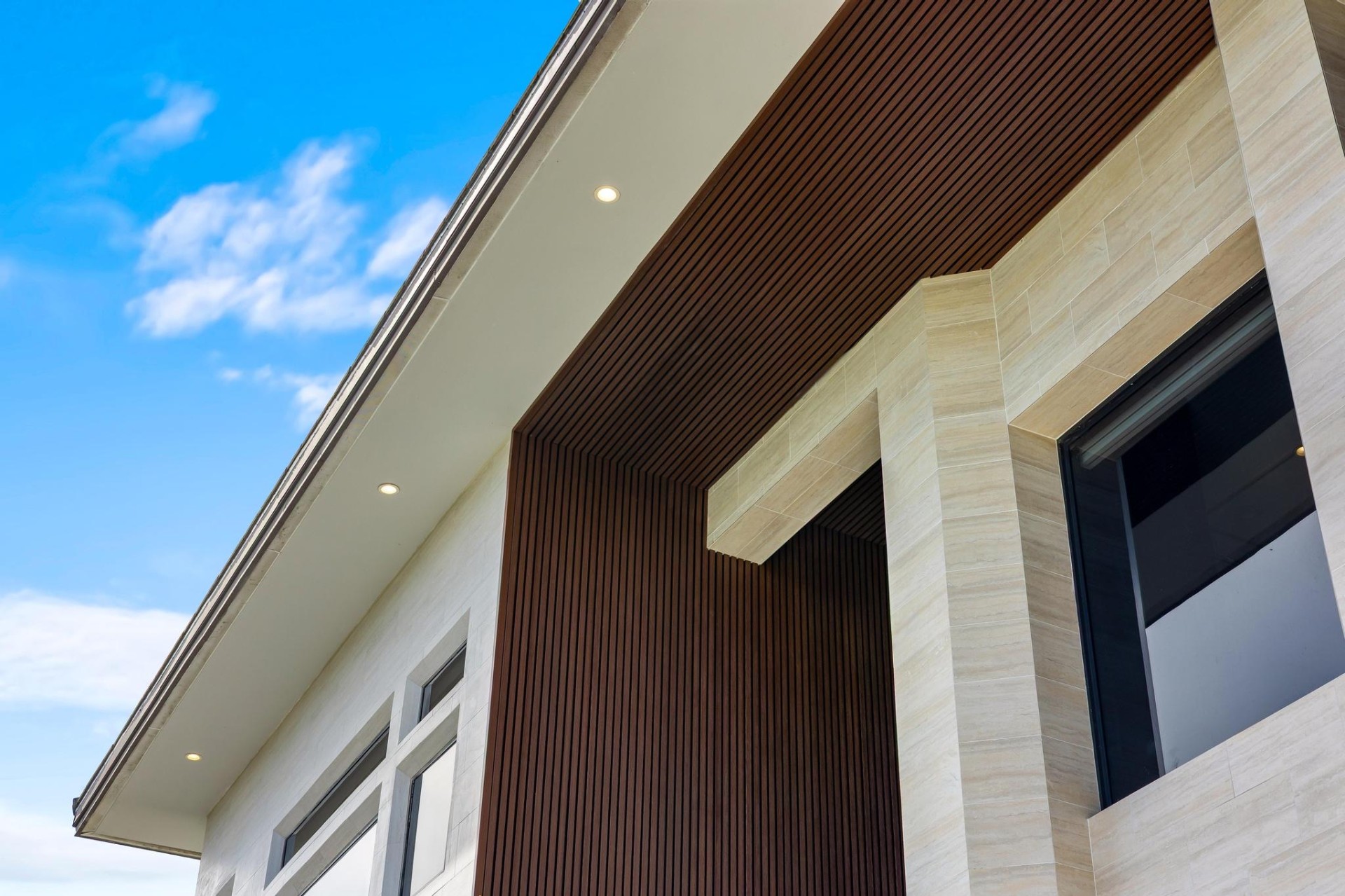
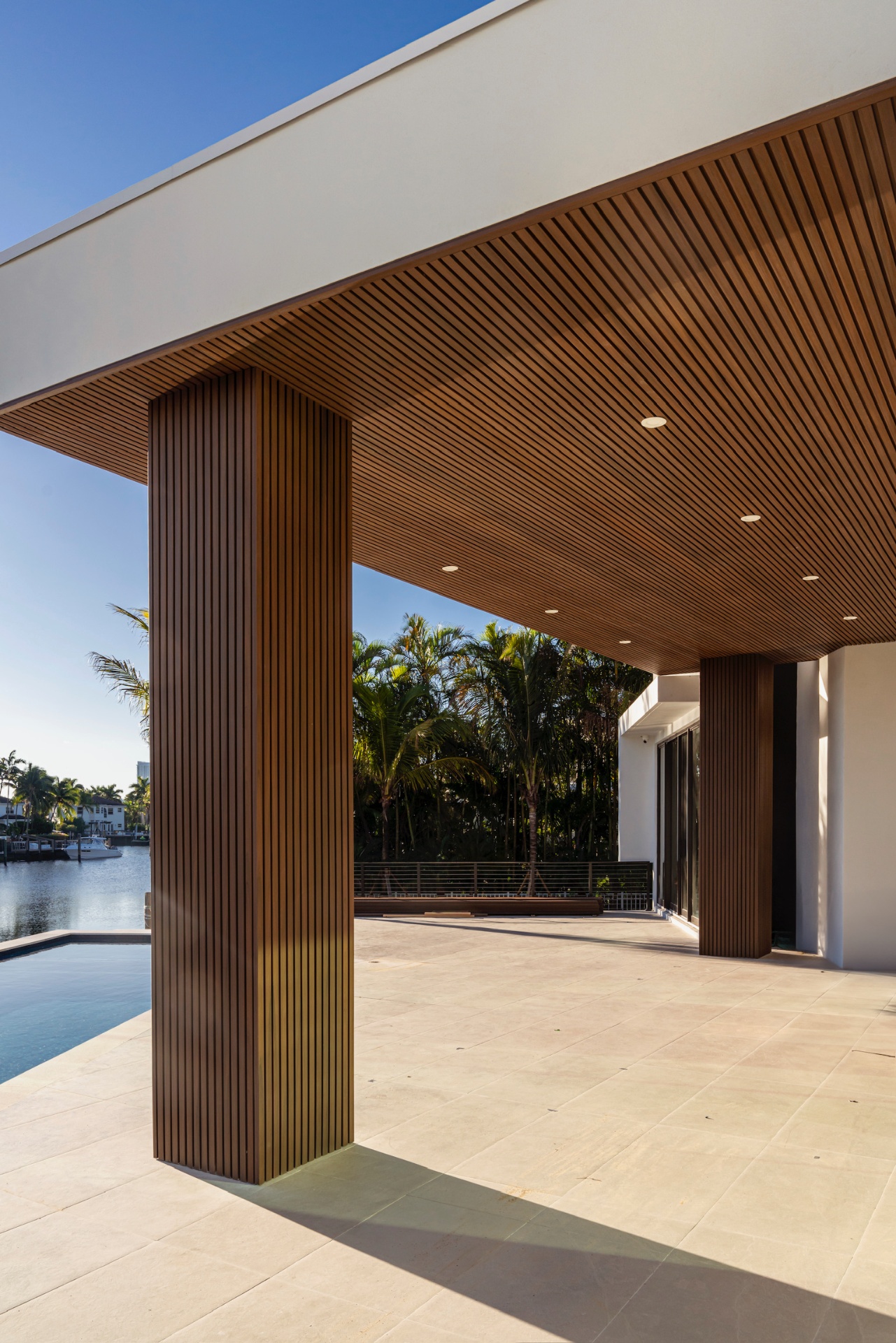
Composite cladding and natural wood cladding are the two most popular options for modern architectural facades and accent walls. Both deliver the warmth of wood, but they age and perform very differently. This guide breaks down the trade-offs so you can pick the right material for your project, climate, and maintenance tolerance.
What Is Composite Cladding?
Composite cladding is a high-performance building product engineered from a blend of recycled wood fibers and polymers — iLumber's Natural Elegance composite, for example, is made from 95% recycled materials. The boards are capped with a UV-stable polymer shell that resists fading, moisture, insects, and rot.
Wood cladding covers everything from thermally modified Ayous and Ash to tropical hardwoods like Cumaru and Garapa. It's a natural, renewable material with unique grain, color variation, and a warm tactile feel.
Performance Comparison
| Factor | Composite Cladding | Wood Cladding |
|---|---|---|
| Lifespan | 30+ years (warrantied) | 25–50+ years depending on species |
| Maintenance | None — occasional rinse | Optional oiling every 1–2 years |
| Color stability | Highly UV-stable, minimal fading | Patinas to silver-gray unless oiled |
| Moisture resistance | Excellent — capped shell | Excellent for thermo/tropical hardwoods |
| Insect resistance | Immune | Highly resistant in dense species |
| Appearance | Uniform, embossed wood grain | Unique grain, natural variation |
| Sustainability | 95% recycled, 100% recyclable | Renewable, FSC/PEFC certified |
| Warranty | 30-year residential | 20–25 years (thermally modified) |
Cost Over Time
- Composite cladding (material): $10–$15 per sq ft installed
- Thermally modified wood (material): $9–$14 per sq ft installed
- Tropical hardwood (material): $12–$18 per sq ft installed
Upfront pricing is comparable. The real difference shows up in lifetime cost: composite cladding eliminates oiling, sanding, and refinishing entirely. Over a 20-year horizon, composite can save $2–$4 per sq ft in maintenance compared to oiled wood — and a lot more in labor time if you maintain the wood yourself.
Planning a decking or cladding project?
Use our material estimator or explore our premium hardwood and thermo wood materials.
When Composite Wins
- You want a "set it and forget it" facade with no oiling or refinishing
- The project is in a harsh climate — coastal, high-UV, or freeze-thaw
- Color consistency across a large facade is important
- You need a long, warrantied lifespan with predictable performance
- The cladding is in a hard-to-access location (high walls, soffits, ceilings)
When Wood Wins
- Natural grain variation and authenticity are essential to the design
- You want a material that develops a unique patina over time
- The project specifies a biophilic or warm tactile aesthetic
- FSC/PEFC-certified, carbon-storing materials are required
- You're comfortable with occasional oiling or letting the wood gray naturally
Our Recommendation
For most exterior facades, ceilings, and soffits where long-term performance and zero maintenance matter, Natural Elegance composite cladding is the most predictable choice. For interior accent walls and statement facades where natural character is non-negotiable, thermally modified Ayous or a tropical hardwood will deliver more warmth and depth.
Many of our architectural projects actually combine both — composite for high, exposed surfaces and natural wood at human scale where the grain can be appreciated.
Ready to start your project?
Explore our premium materials or get help planning your project.