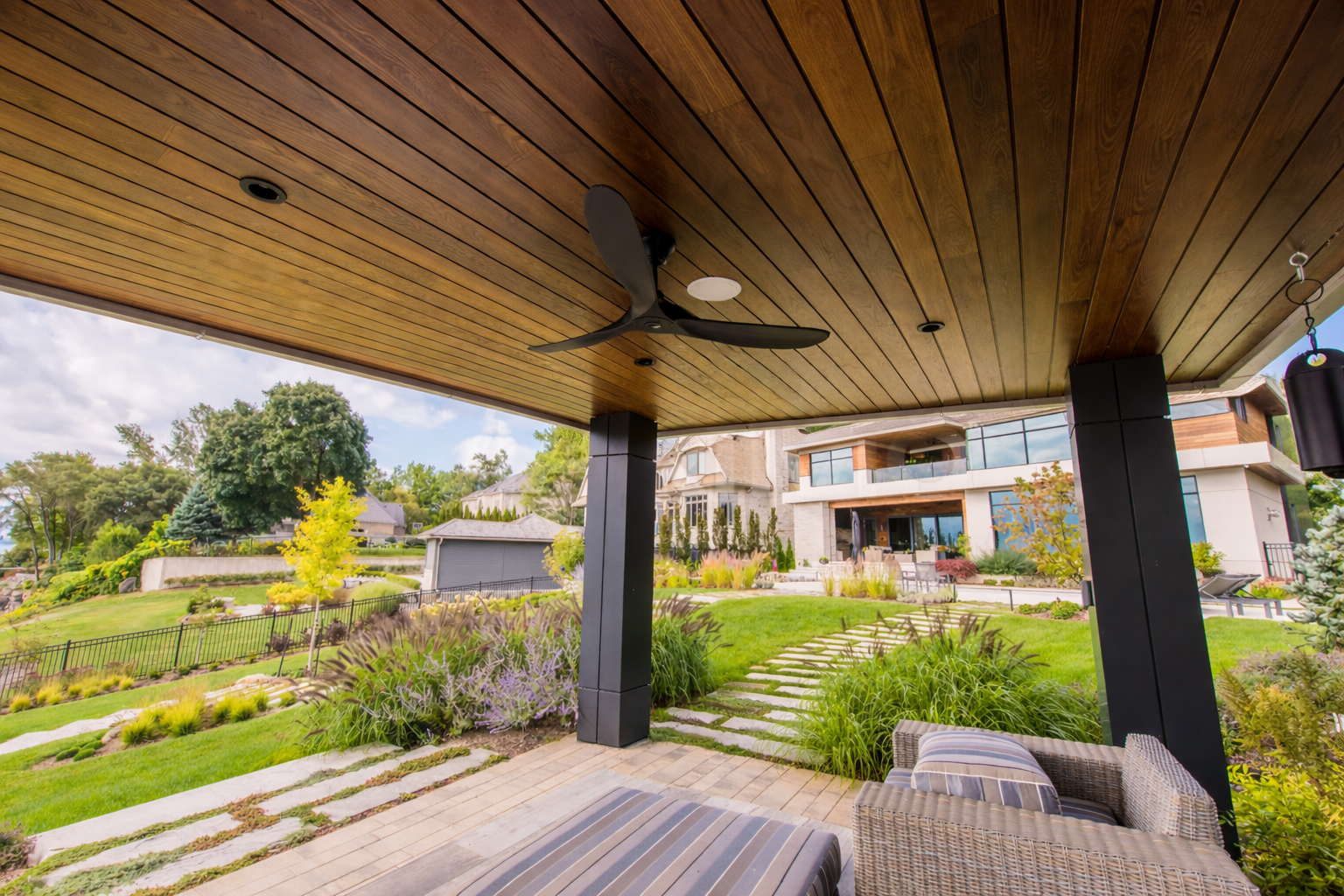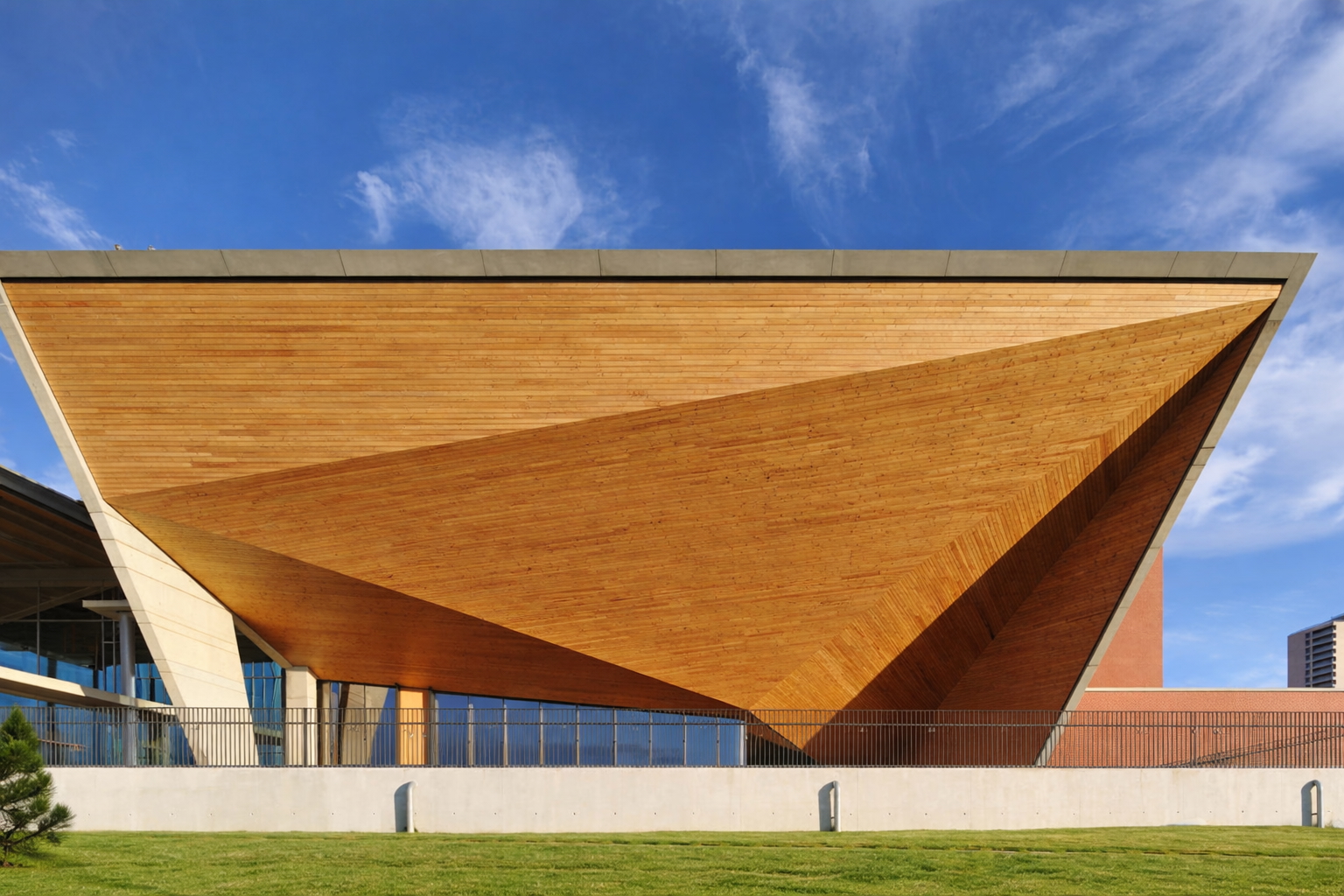
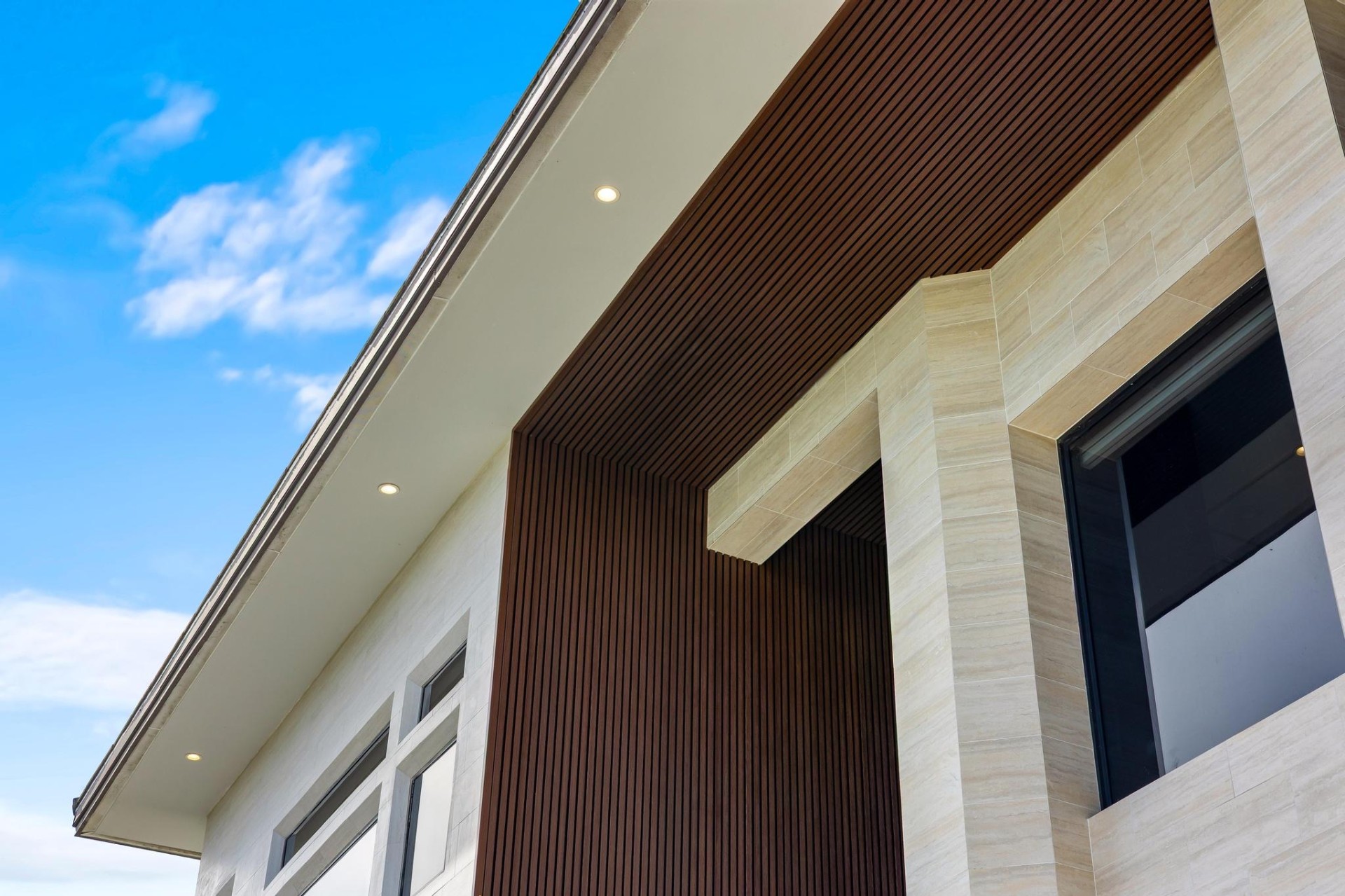
Wood slat walls have become one of the defining design features in contemporary architecture. Whether used as a privacy screen, accent feature, or full facade treatment, exterior wood slats create dramatic shadow patterns and visual depth that solid cladding cannot achieve. This guide covers design considerations, material selection, and installation approaches.
Why Wood Slat Walls Are Trending
The popularity of exterior wood slat walls reflects broader architectural trends toward natural materials, transparency, and visual texture. Key drivers include:
- Light and shadow play: Slats create dynamic shadow patterns that change throughout the day
- Privacy without enclosure: Partially obscure views while maintaining airflow and natural light
- Modern aesthetic: Clean, linear patterns complement contemporary architecture
- Versatility: Work as facades, privacy screens, pergola covers, fencing, and accent features
- Biophilic design: Natural wood connects building occupants with nature
Best Materials for Exterior Wood Slats
Material selection is critical for exterior slat installations. The wood must withstand weathering while maintaining its appearance and structural integrity.
Thermo Wood Ayous is an excellent choice for slat walls because:
- Lightweight — important for vertical installations and overhead applications
- Dimensionally stable — slats maintain their spacing and straightness
- Chemical-free decay resistance
- Consistent color and quality across boards
- Available in precision-milled profiles ideal for slat systems
Ipe is suitable for slat applications where maximum durability is required, such as ground-level screens and high-traffic commercial installations.
Slat Spacing and Design
The spacing between slats dramatically affects the visual outcome:
| Spacing | Effect | Best For |
|---|---|---|
| 5–10mm | Near-solid appearance with subtle shadow lines | Facade cladding, rain screens |
| 15–25mm | Balanced transparency and privacy | Privacy screens, accent walls |
| 30–50mm | Open, airy feel with strong shadow patterns | Pergolas, decorative screens |
| Equal to slat width | Even rhythm of solid and void | Modern facades, fencing |
Common slat dimensions for exterior use are 1×2, 1×3, and 1×4. Wider slats (1×4 and above) create a bolder, more substantial look, while narrower slats (1×2) produce a finer, more refined texture.
Planning a decking or cladding project?
Use our material estimator or explore our premium hardwood and thermo wood materials.
Installation Methods
Exterior wood slat walls require a robust mounting system:
- Steel frame: Powder-coated steel channel or angle iron creates a durable, low-profile substructure. Ideal for commercial and large-scale installations.
- Aluminum track system: Lightweight, corrosion-resistant rails with integrated clips. Best for residential applications.
- Wood batten system: Horizontal or vertical battens secured to the wall, with slats face-screwed or clipped. Most cost-effective option.
Key installation considerations:
- Use spacers during installation to maintain consistent gaps
- Pre-drill all fastener holes in hardwood species
- Use stainless steel fasteners throughout
- Ensure the substructure is plumb and level — any deviation will be visible across the slat pattern
Cost Considerations
Wood slat wall costs vary based on material, spacing, and installation complexity:
- Thermo wood slats: $6–$12 per sq ft of wall area (materials)
- Ipe slats: $12–$20 per sq ft of wall area (materials)
- Substructure and fasteners: $3–$6 per sq ft
- Professional installation: $8–$15 per sq ft
Note: Material cost per square foot of wall area is higher for slat systems than solid cladding because the slats are typically thicker (minimum 3/4") and the spacing creates less coverage per linear foot of material.
Design Inspiration
Popular applications for exterior wood slat walls:
- Entry feature walls: Frame the front door with vertical slats for a dramatic first impression
- Balcony screens: Provide privacy while maintaining views and ventilation
- Garage door surrounds: Extend the slat pattern around the garage door for a cohesive facade
- Garden walls and fencing: Modern alternative to traditional fencing
- Mixed-material facades: Combine wood slats with metal panels, glass, or concrete for contrast
Ready to start your project?
Explore our premium materials or get help planning your project.