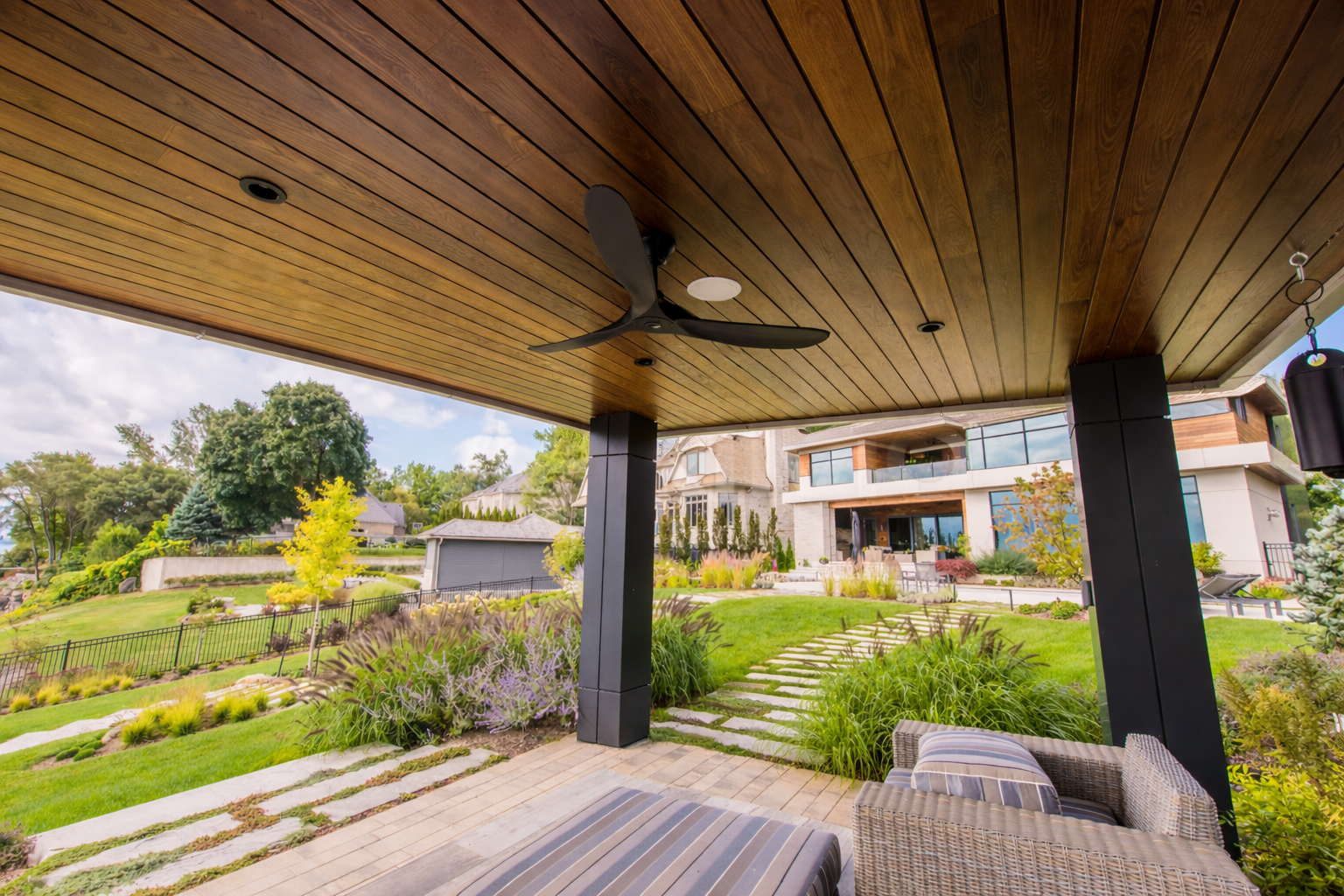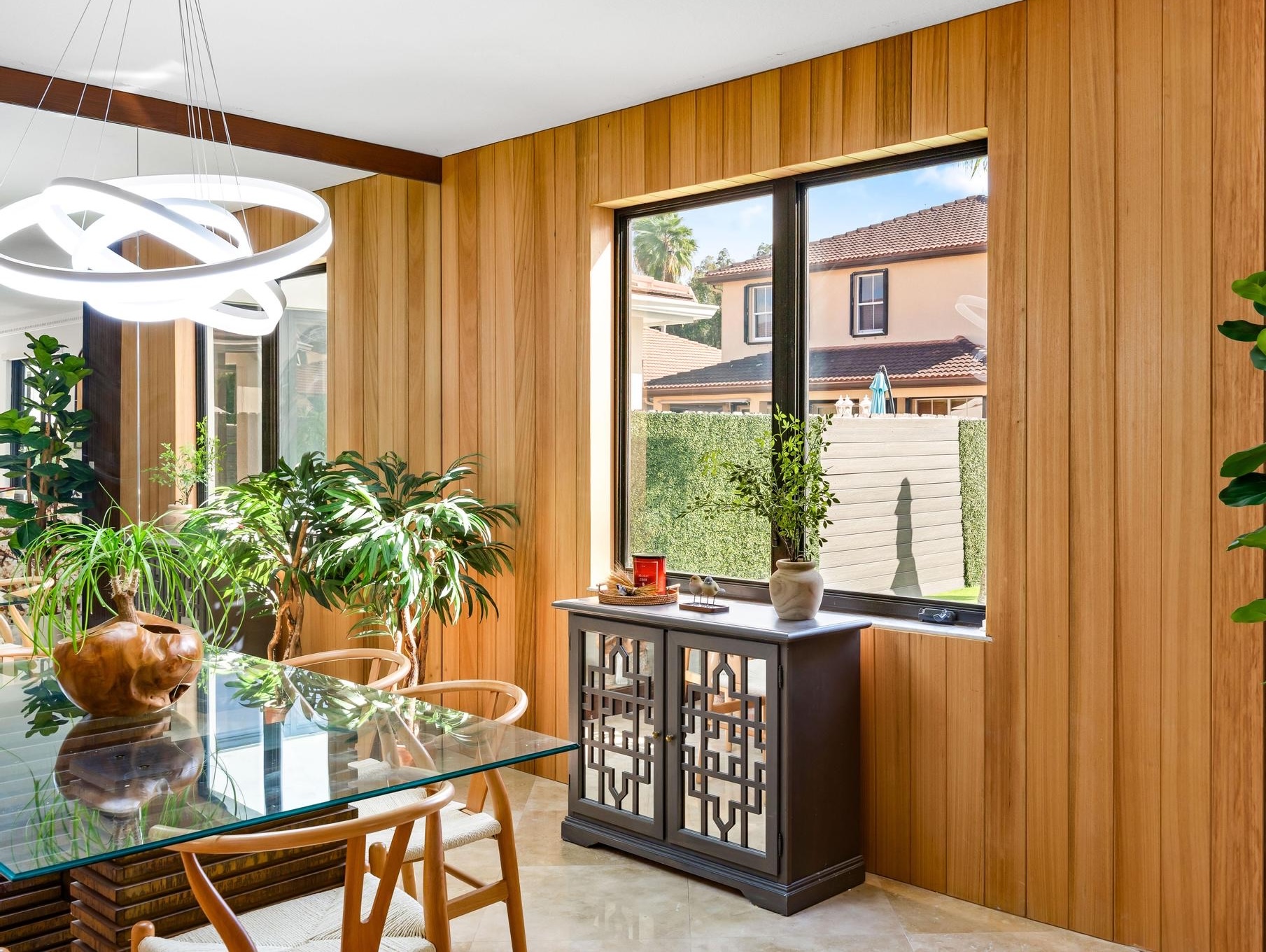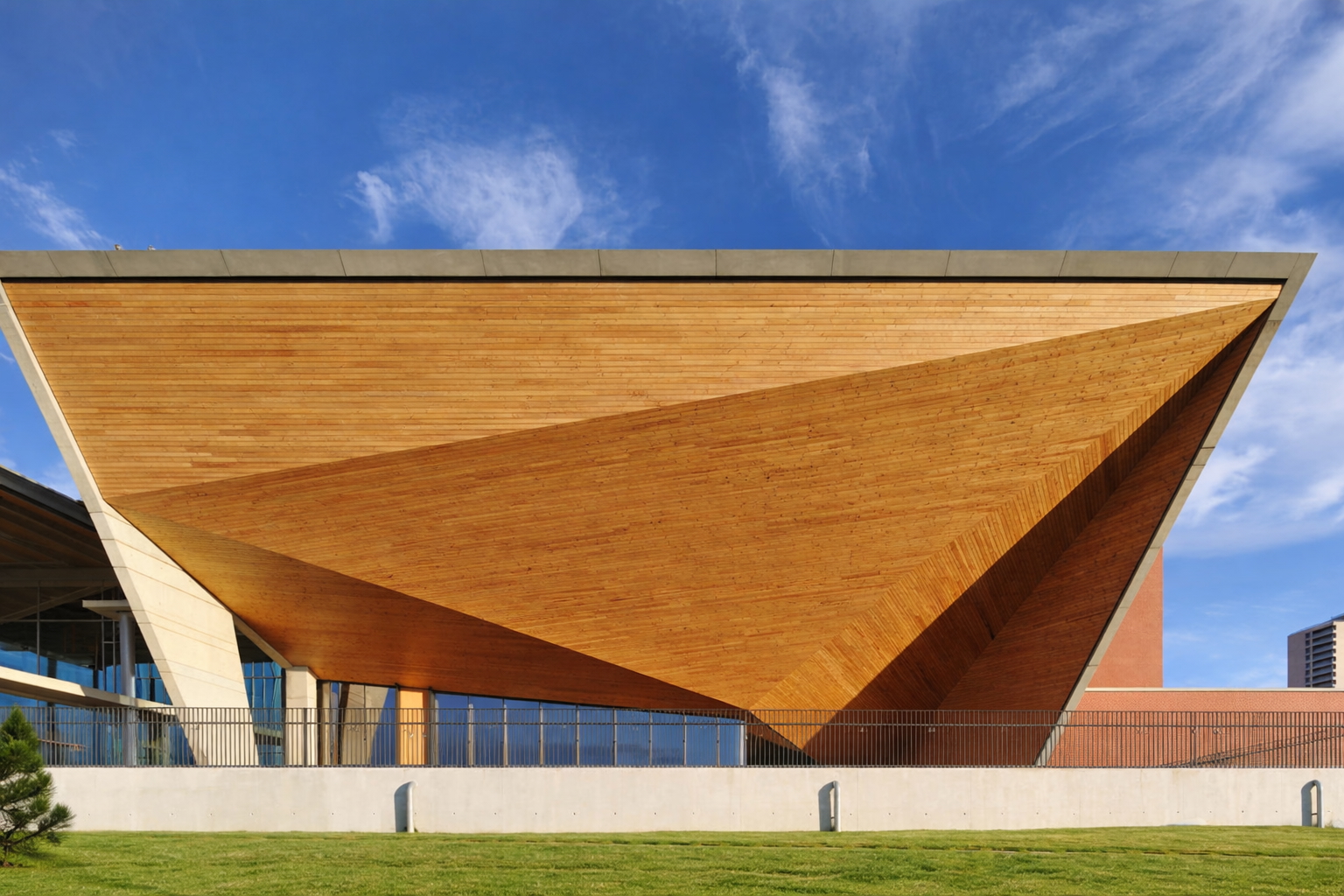
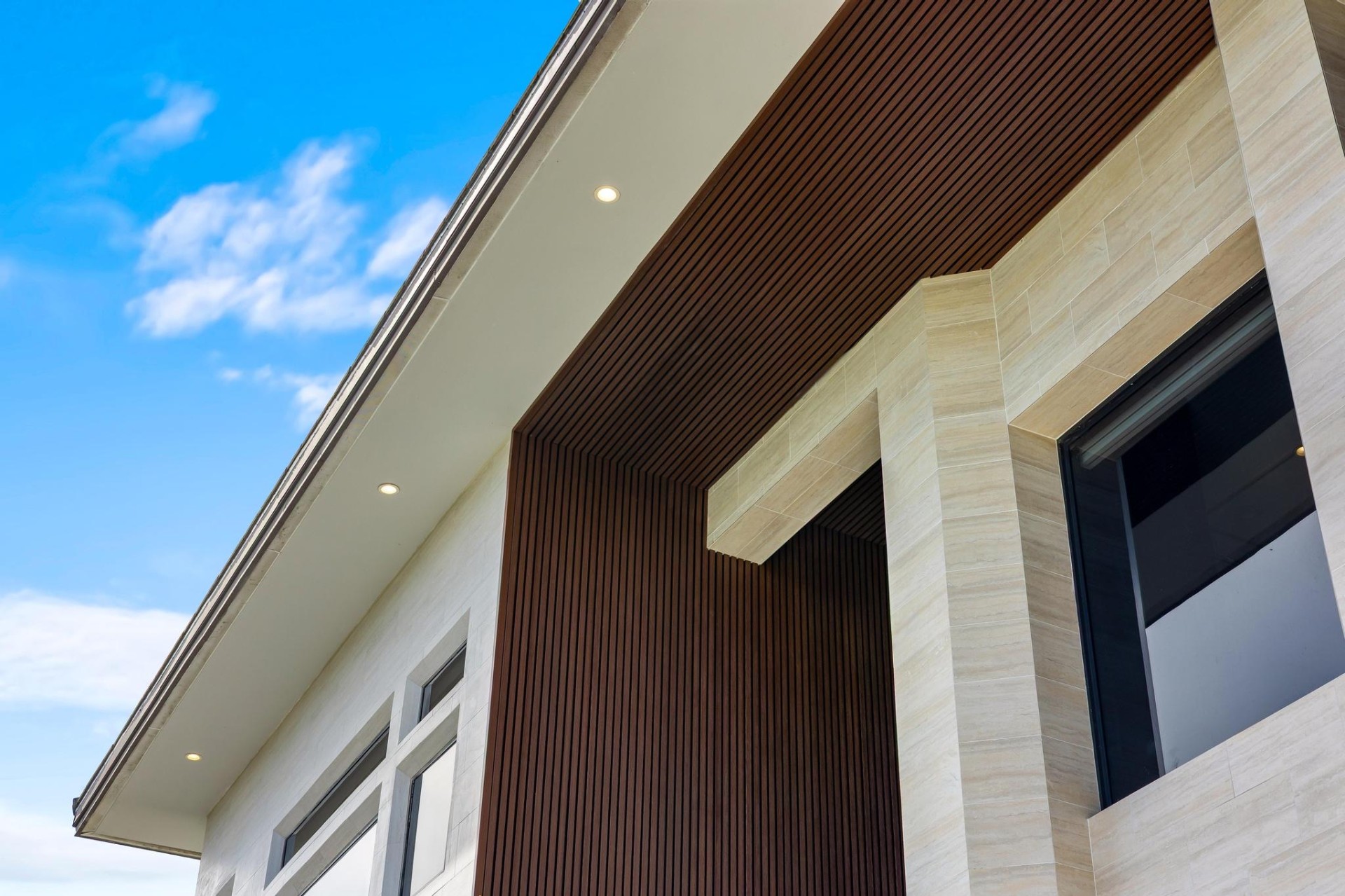
Choosing the right wood for exterior cladding affects the appearance, durability, and maintenance cost of your building for decades. This guide compares the top wood species used in modern cladding projects, including thermally modified wood, tropical hardwoods, and traditional softwoods.
Why Wood Cladding?
Wood cladding remains one of the most popular exterior finishing materials worldwide. Its natural warmth, design flexibility, and sustainability credentials make it the preferred choice for architects and homeowners seeking an authentic aesthetic that synthetic materials cannot replicate.
- Natural insulation properties improve building energy efficiency
- Carbon sequestration — wood stores CO2 throughout its service life
- Design versatility with horizontal, vertical, diagonal, and mixed orientations
- Can be combined with other materials for contemporary mixed-material facades
Thermo Wood (Thermally Modified Wood)
Thermo wood is produced by heating wood to 180–230°C in a controlled environment, permanently altering its cellular structure. This chemical-free process dramatically improves decay resistance and dimensional stability.
Best for: Residential cladding, commercial facades, soffits, and feature walls
Pros:
- Excellent dimensional stability — minimal warping or cupping
- Class 1–2 decay resistance without chemicals
- Lightweight (Ayous species) for easy installation
- Consistent quality and color across boards
- FSC/PEFC certified options available
Cons:
- Reduced structural strength (not for load-bearing applications)
- Can be more brittle than untreated wood
Western Red Cedar
A traditional cladding favorite, western red cedar offers natural beauty and moderate decay resistance from its natural oils.
Best for: Traditional residential cladding, shingle-style homes, rustic designs
Pros:
- Beautiful natural grain and warm color
- Natural decay and insect resistance
- Lightweight and easy to work with
- Long track record in North American construction
Cons:
- Requires regular staining/sealing (every 2–3 years)
- Quality varies significantly by grade
- Old-growth supplies diminishing, increasing cost
- Shorter lifespan than thermo wood in exterior applications
Planning a decking or cladding project?
Use our material estimator or explore our premium hardwood and thermo wood materials.
Ipe (Brazilian Walnut)
Ipe is the gold standard for exterior wood applications that demand maximum durability. While primarily known for decking, ipe also makes exceptional cladding.
Best for: High-end residential, commercial facades, coastal environments
Pros:
- Janka hardness of 3,680 lbf — extremely durable
- Class A fire rating
- 50+ year lifespan
- Natural rot and insect resistance
Cons:
- Heavy — requires robust fastening systems
- Requires pre-drilling
- Higher material cost
- Darkens or grays without oil treatment
Material Comparison Table
| Factor | Thermo Wood | Cedar | Ipe |
|---|---|---|---|
| Lifespan | 25–30+ years | 15–25 years | 50+ years |
| Maintenance | Low | Moderate–High | Low |
| Cost (per sq ft) | $4–$8 | $3–$12 | $8–$14 |
| Fire Rating | Class B | Class C | Class A |
| Stability | Excellent | Good | Excellent |
| Weight | Light | Light | Heavy |
| Chemical-Free | Yes | Yes | Yes |
Installation Considerations
Each material has different installation requirements:
- Thermo Wood: Easy to cut and fasten. Available in T&G, shiplap, and channel profiles. Clip systems available for hidden fastening.
- Cedar: Easy to work with standard tools. Face-nailing or hidden clips. Allow for seasonal movement.
- Ipe: Requires pre-drilling and specialized fasteners. Heavier — ensure substructure can support the weight.
All wood cladding requires proper ventilation behind the boards (rainscreen principle) to prevent moisture buildup and ensure long-term performance.
Conclusion
For most modern cladding projects, thermo wood offers the best balance of durability, aesthetics, sustainability, and cost. Its chemical-free modification process, consistent quality, and low maintenance requirements make it the top choice for architects and builders seeking long-term performance.
For projects where maximum durability is essential, ipe remains unmatched. And for those who prefer a traditional softwood aesthetic, clear-grade cedar delivers timeless beauty — with the understanding that regular maintenance is required.
Ready to start your project?
Explore our premium materials or get help planning your project.