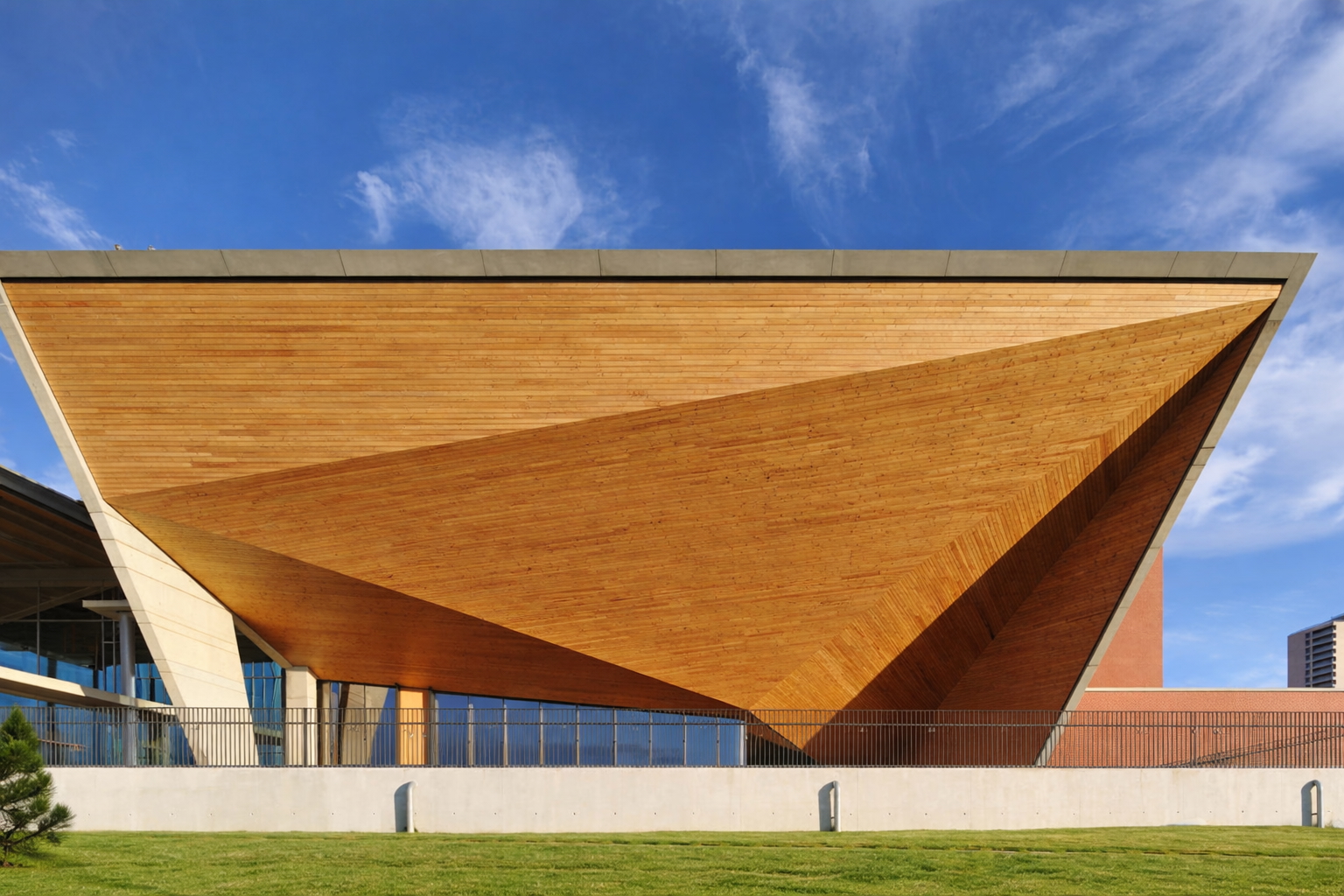
Thermally modified wood (TMW) represents one of the most significant advances in wood technology in the past century. By using heat instead of chemicals to improve wood performance, thermal modification creates a durable, stable, and environmentally responsible material for exterior applications. This guide explains the science, benefits, and applications of thermally modified wood.
What Is Thermally Modified Wood?
Thermally modified wood is wood that has been heated to temperatures between 180°C and 230°C (356–446°F) in a controlled, oxygen-free environment. This process permanently alters the wood at a cellular level, improving its properties for exterior use.
The thermal modification process was developed in Finland in the 1990s and has since been adopted worldwide. The process uses only heat and steam — no chemicals, preservatives, or additives are involved at any stage.
The result is a material that offers:
- Significantly improved decay resistance
- Dramatically better dimensional stability
- Reduced moisture absorption
- Beautiful, uniform brown color throughout
- Zero chemical content
How the Process Works
The thermal modification process occurs in three phases:
- Drying phase (100–130°C): The wood is slowly heated while moisture is removed. The kiln environment is controlled with steam to prevent combustion.
- Thermal modification phase (180–230°C): The core modification occurs. At these temperatures, the hemicellulose in the wood cell walls breaks down permanently. This is the component responsible for moisture absorption and susceptibility to decay organisms.
- Cooling and conditioning (80–100°C): The wood is slowly cooled and re-conditioned with a small amount of moisture to prevent brittleness.
The entire process takes 24–72 hours depending on species, thickness, and desired modification level.
Benefits of Thermal Modification
- Decay resistance: Achieves Class 1–2 durability (EN 350 standard) — comparable to tropical hardwoods
- Dimensional stability: 40–50% less moisture absorption than untreated wood. This means dramatically less warping, cupping, and checking.
- Chemical-free: No preservatives, fungicides, or toxic compounds. Safe for children, pets, and food-contact applications.
- Uniform color: The heating process creates a consistent, rich brown color throughout the board — not just on the surface.
- Reduced weight: 5–10% lighter than untreated wood due to moisture and hemicellulose reduction.
- Improved thermal insulation: Lower thermal conductivity than untreated wood.
Planning a decking or cladding project?
Use our material estimator or explore our premium hardwood and thermo wood materials.
Thermo Wood vs Chemical Treatment
| Factor | Thermally Modified | Pressure Treated (CCA/ACQ) |
|---|---|---|
| Process | Heat and steam only | Chemical impregnation under pressure |
| Chemicals | None | Copper, arsenic, or alkaline compounds |
| Decay Resistance | Class 1–2 | Class 1–3 (depends on retention) |
| Dimensional Stability | Excellent | Moderate |
| Color | Uniform brown throughout | Greenish (CCA) or brown-green (ACQ) |
| End-of-Life | Fully biodegradable, compostable | Hazardous waste — requires special disposal |
| Food/Play Safety | Safe | Not recommended near food or play areas |
Common Species for Thermal Modification
While many species can be thermally modified, some respond better to the process than others:
- Ayous (Triplochiton scleroxylon): Lightweight African hardwood. Excellent thermal modification response. The primary species used in iLumber thermo wood products. Ideal for cladding and interior applications.
- Thermo Scandinavian Pine: Premium Nordic pine, thermally modified for dimensional stability and Class 1–2 durability. Beautiful warm tone, ideal for V-Joint, Nickel Gap, and Fluted profiles on walls and exterior facades.
- European Ash: Dense European hardwood, thermally modified to Class 1 durability. Beautiful grain with a crème-brûlée tone — the only thermally modified species in our line strong enough for both cladding and decking.
- Clear Radiata Pine: Knot-free, finger-jointed and thermally modified for a clean, contemporary look. Class 2 durability, lightweight, and ideal for modern minimalist cladding.
Applications
Thermally modified wood is used across a wide range of exterior and interior applications:
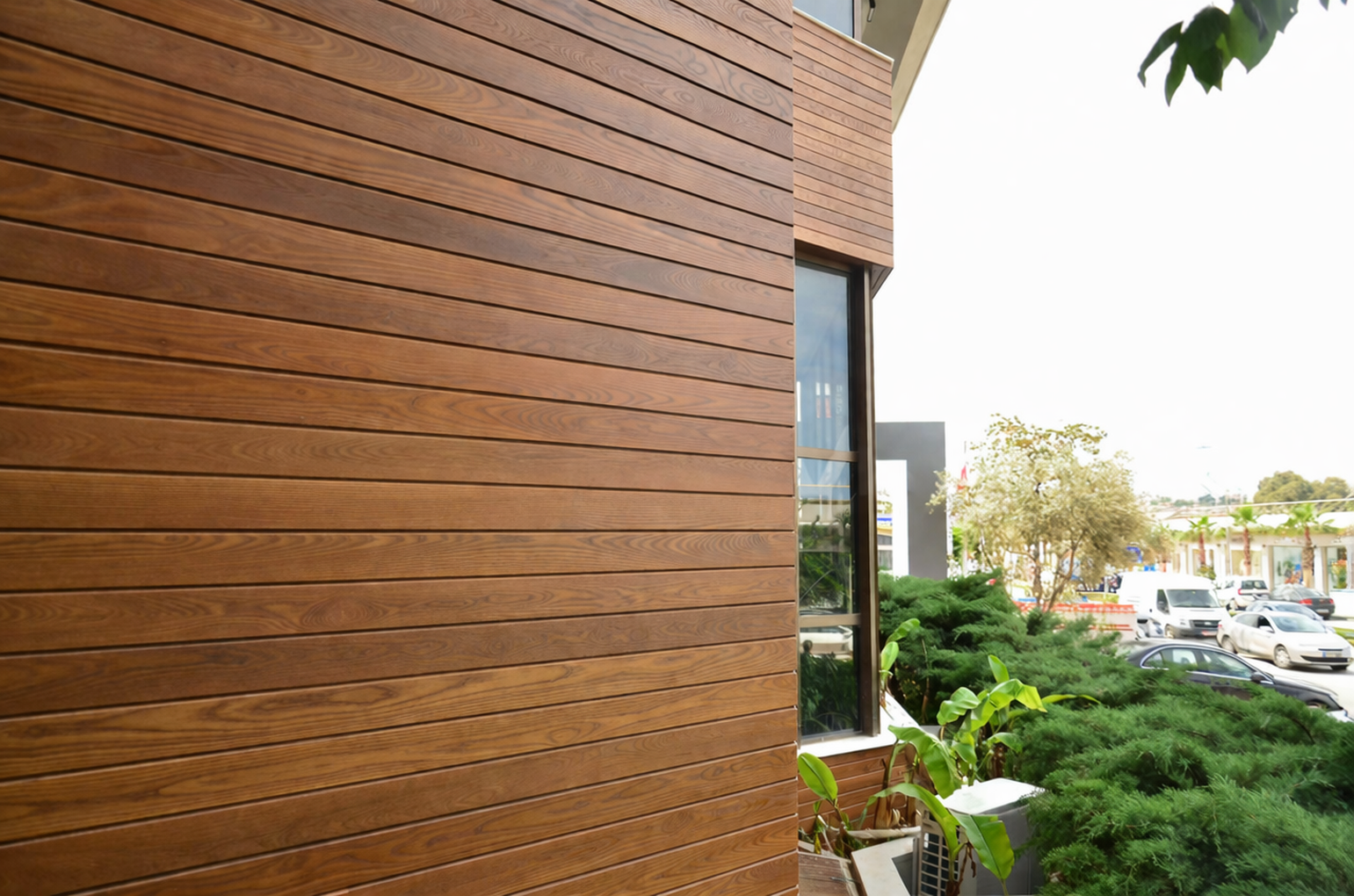
- Exterior cladding: The most common application. Excellent dimensional stability prevents warping and gapping.
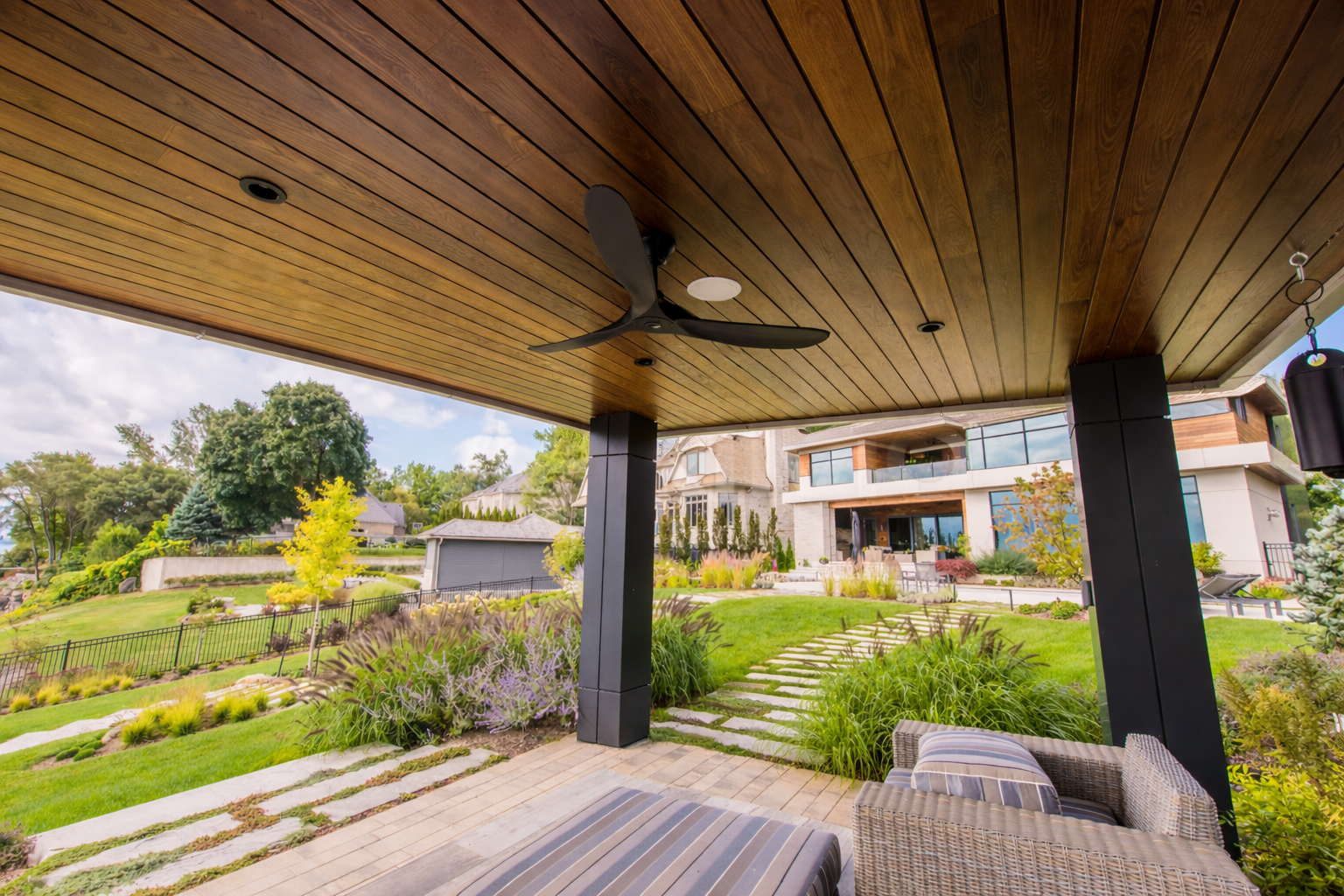
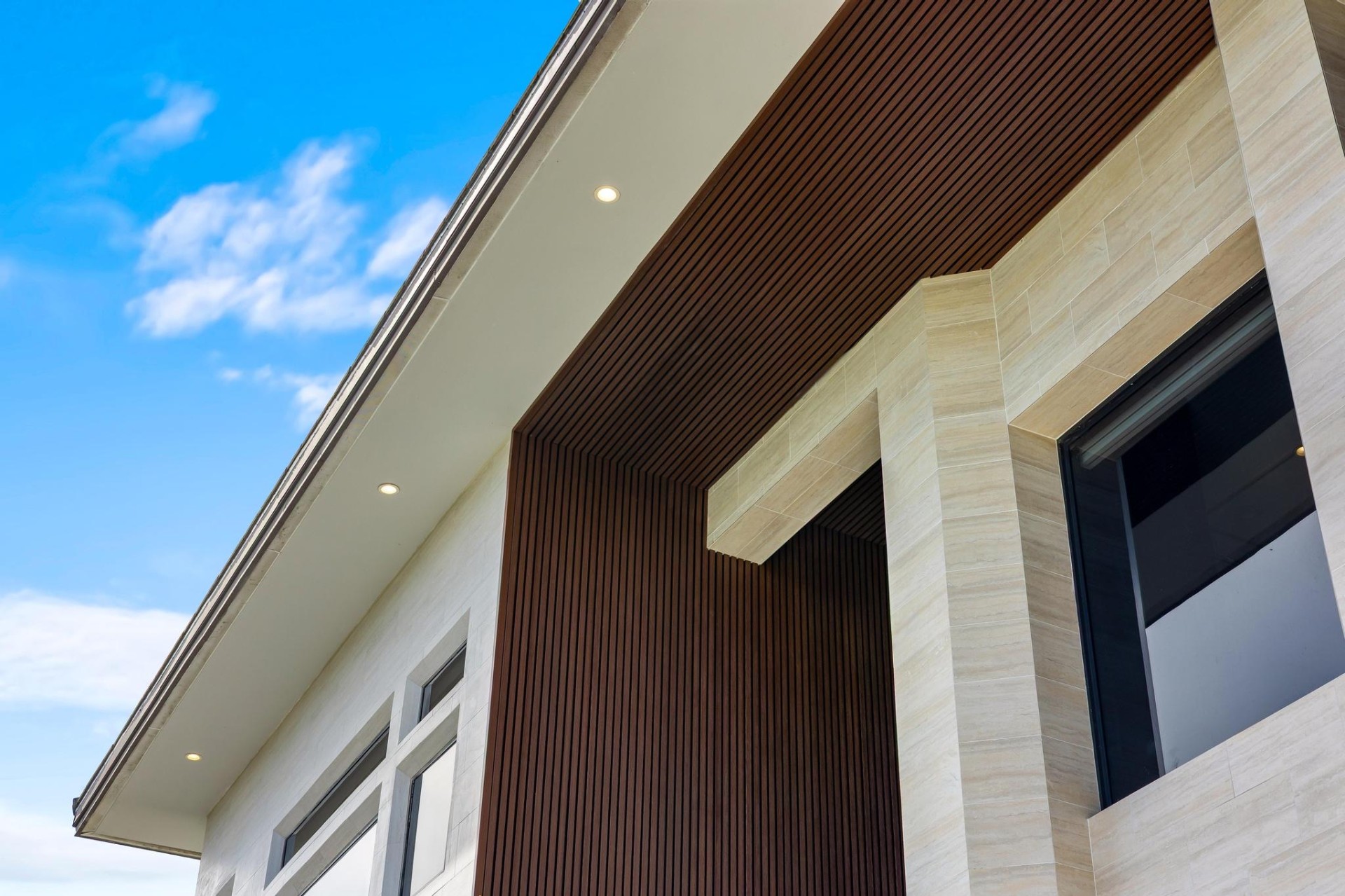
- Soffits and overhangs: Lightweight thermo wood is ideal for overhead installations.
- Decking: Thermally modified ash and pine are used for residential decking.
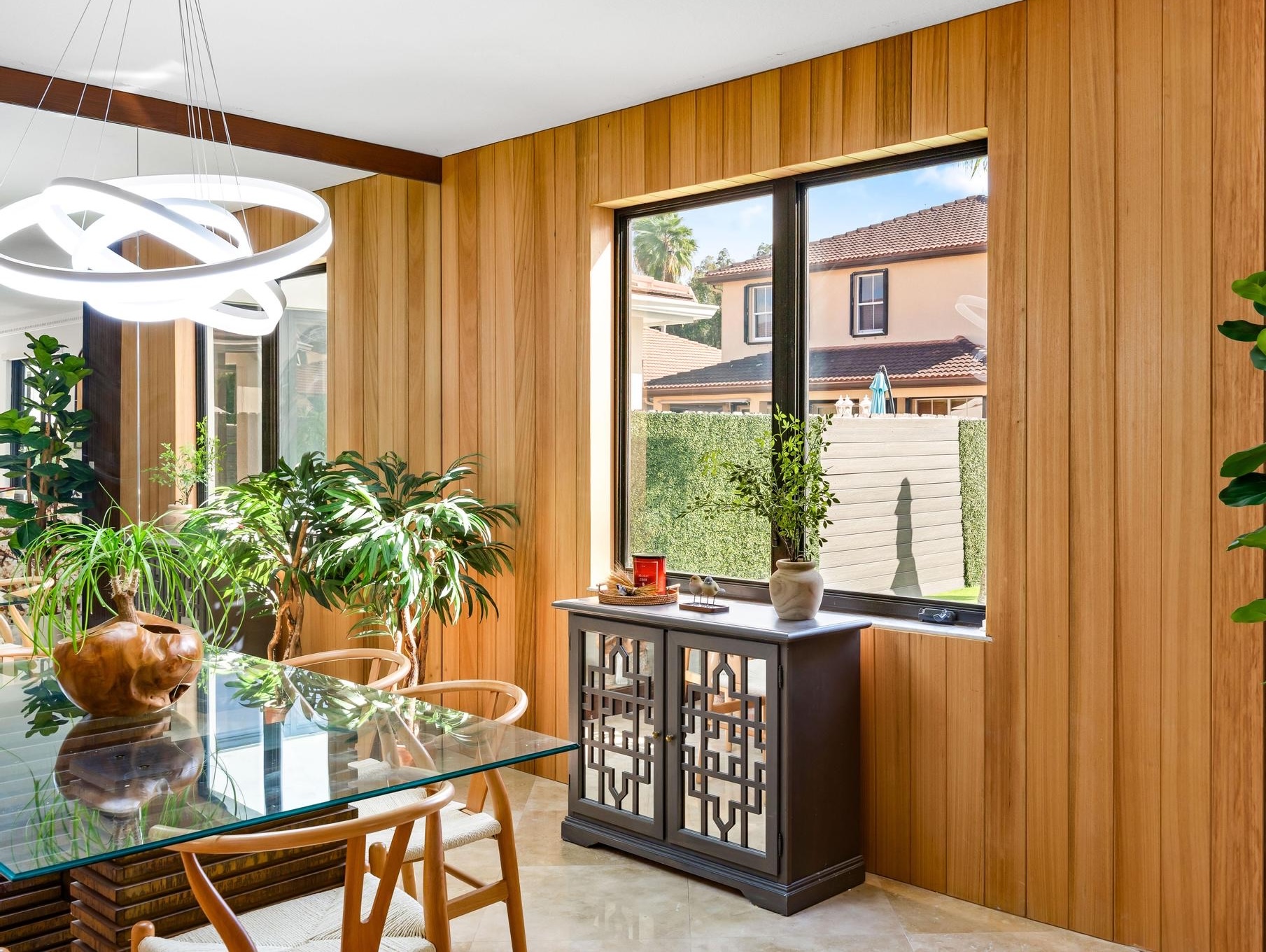
- Interior feature walls: The warm color and chemical-free nature make it safe for indoor use.
- Saunas: The original application for thermo wood in Finland. Low thermal conductivity and zero chemical content are critical for sauna environments.
- Fencing and screening: Durability and consistent appearance make it ideal for boundary treatments.
Maintenance and Longevity
Thermally modified wood requires minimal maintenance:
- Annual cleaning with mild soap and water
- Optional UV-protective oil to maintain brown color (every 1–2 years)
- No sealing, staining, or chemical treatments required
- Expected lifespan: 25–30+ years in exterior applications
The thermal modification is permanent — it does not wear off or diminish over time. The durability improvement is built into the wood's structure at a cellular level.
Ready to start your project?
Explore our premium materials or get help planning your project.