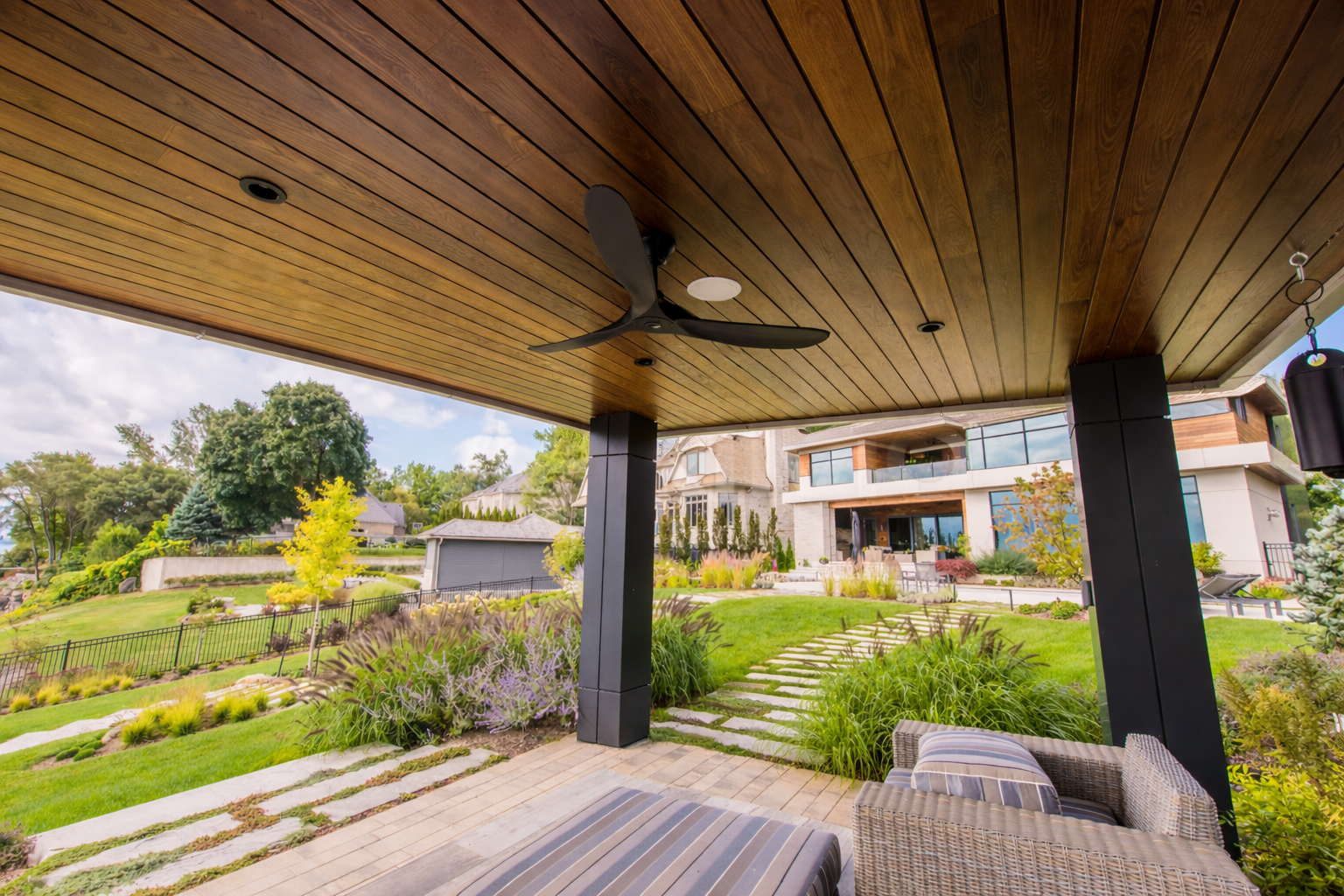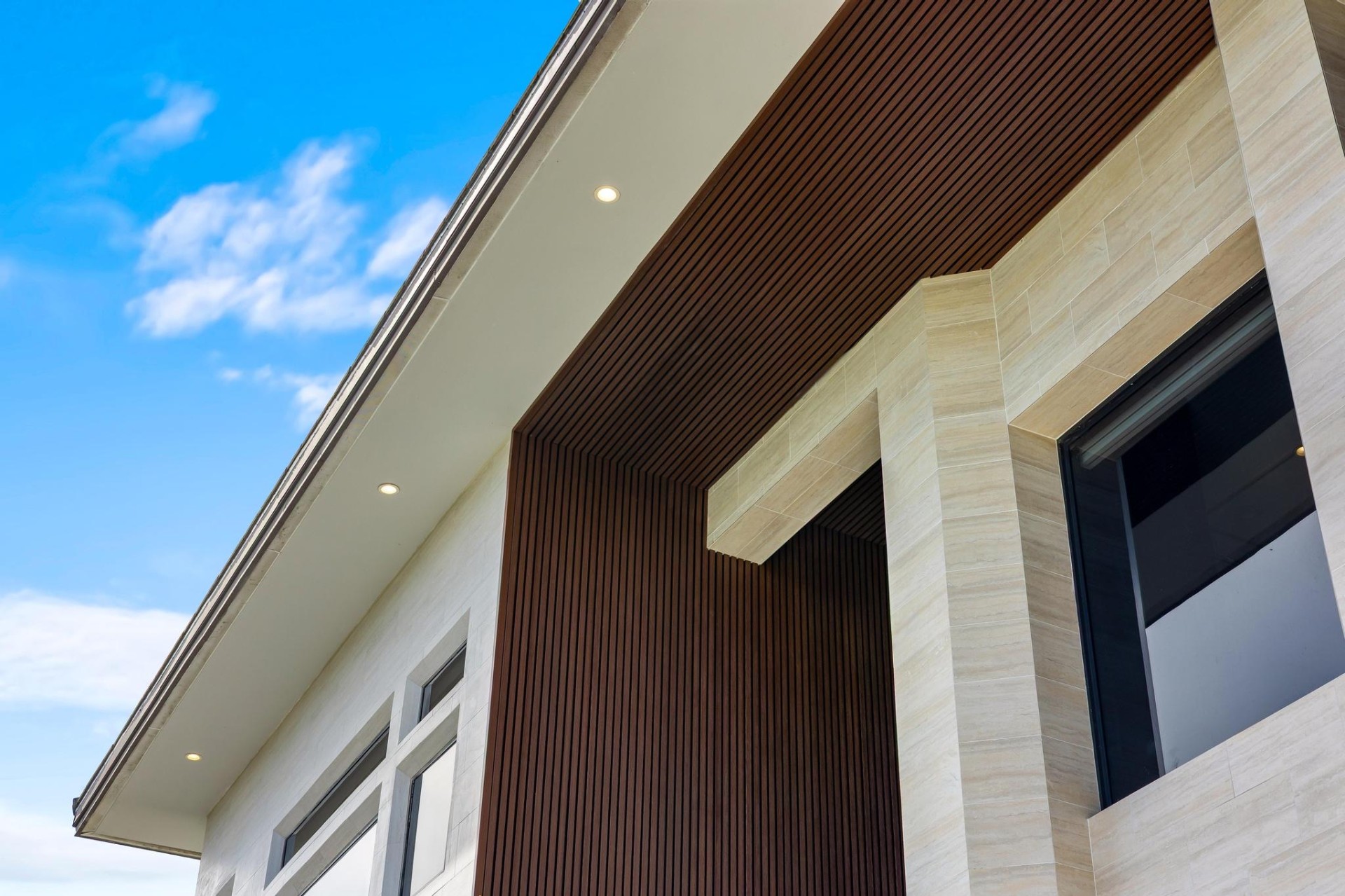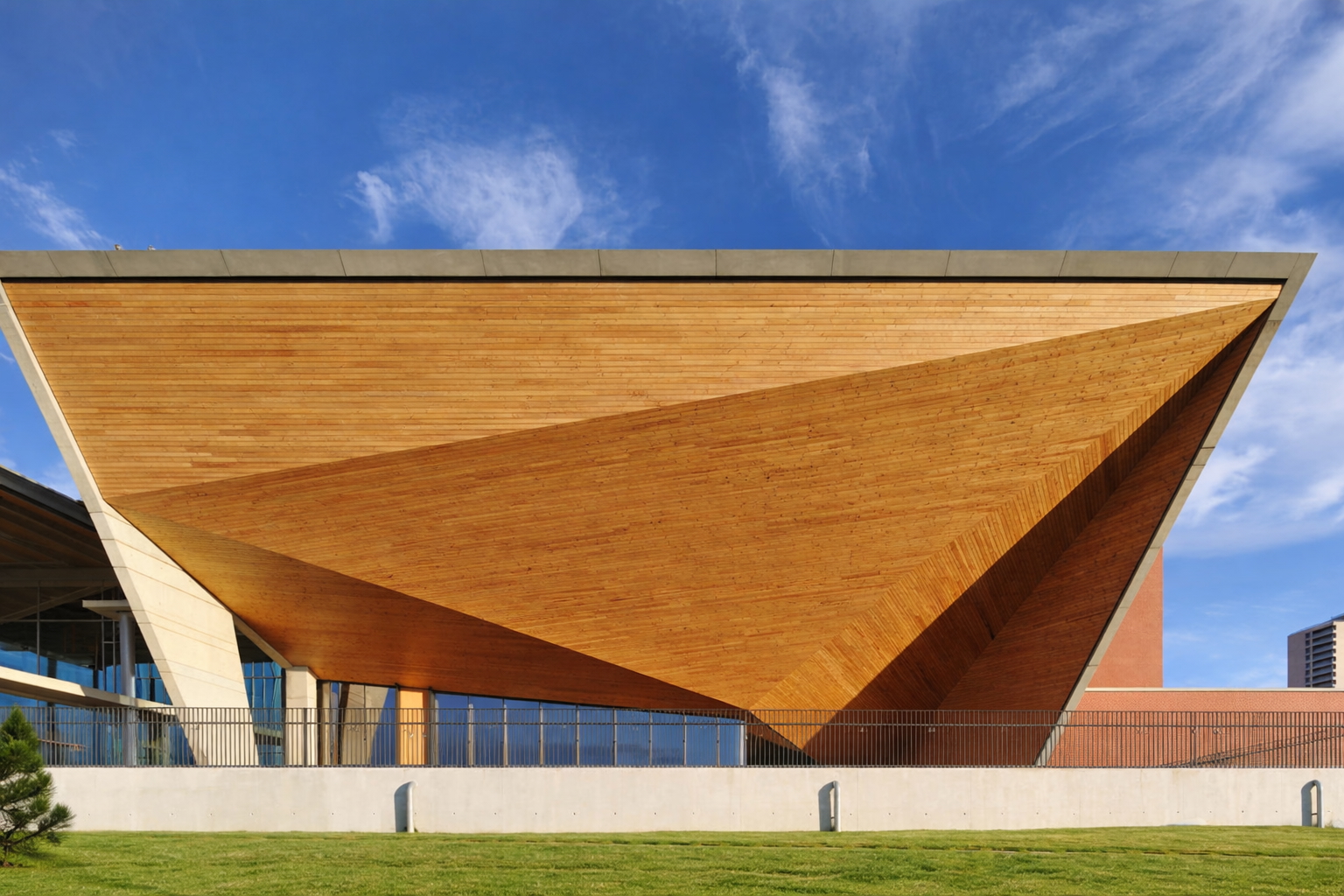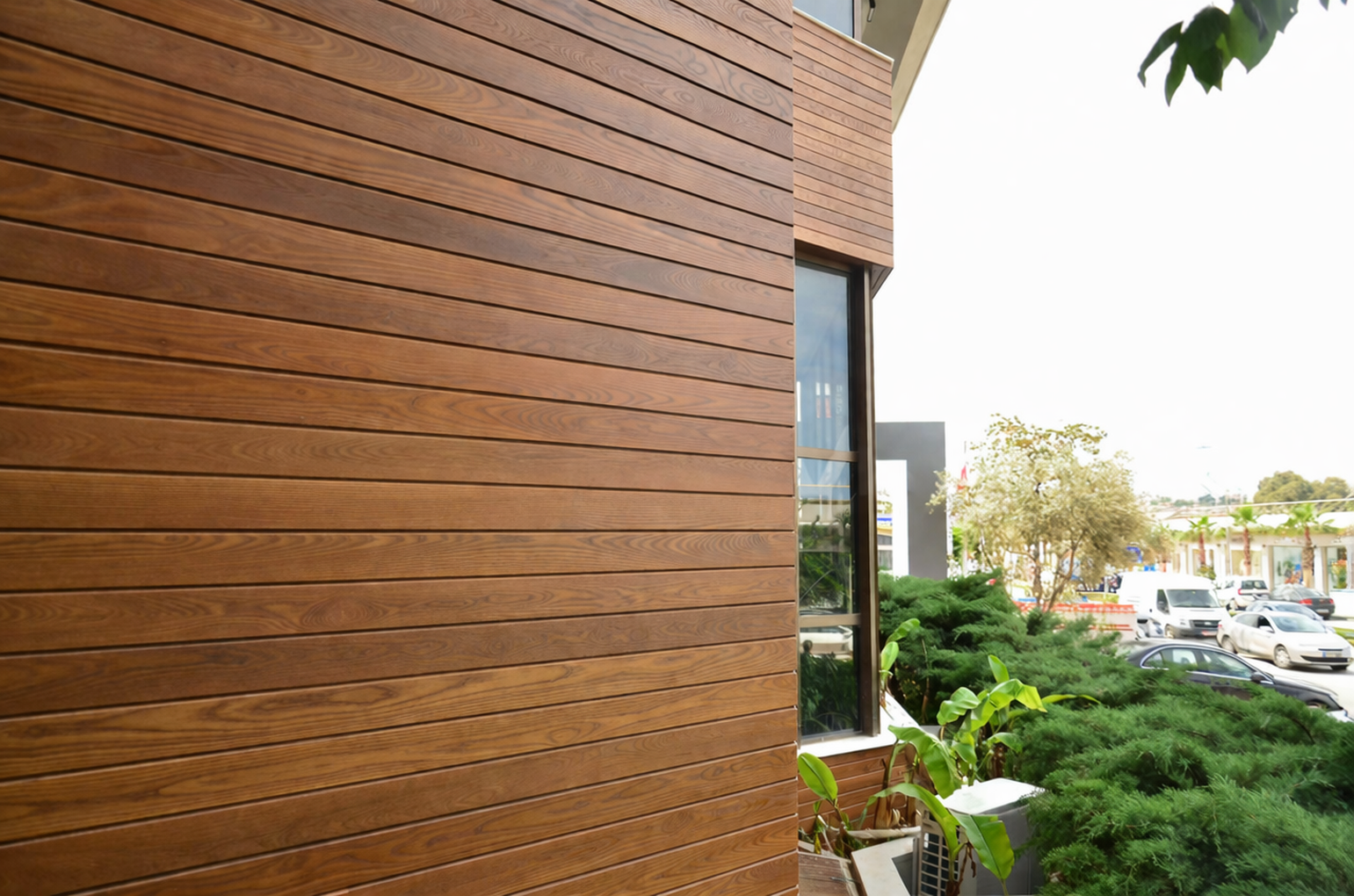
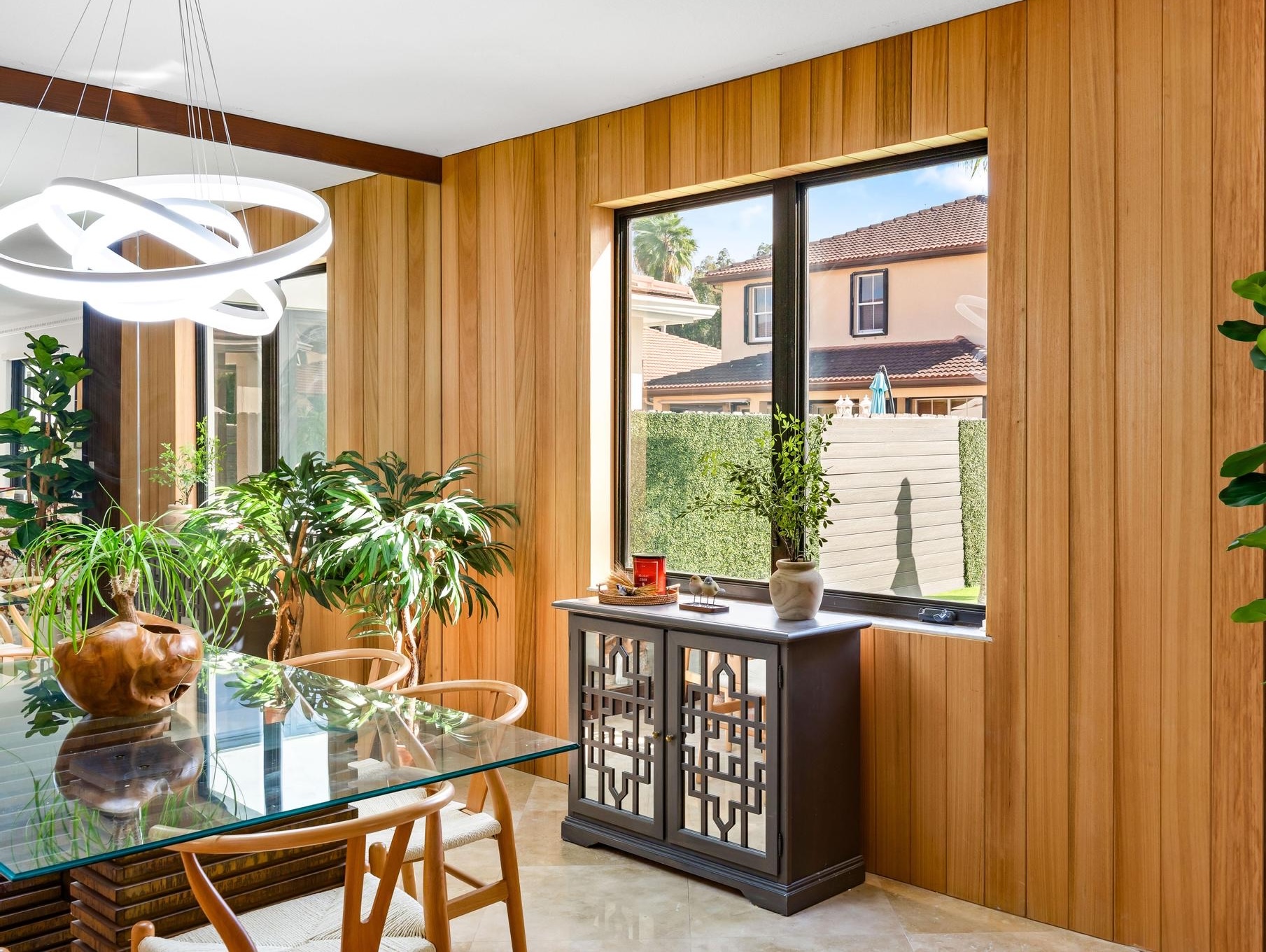
When selecting wood for exterior cladding, thermo wood and cedar are two of the most popular choices. Both offer natural beauty and proven performance, but they differ significantly in how they achieve durability, their environmental footprint, and their long-term maintenance needs. This guide provides a detailed comparison to help you choose the right material.
What Is Thermo Wood?
Thermo wood is wood that has been thermally modified through a controlled heating process at temperatures between 180°C and 230°C. This process permanently alters the wood's cell structure, improving its dimensional stability, decay resistance, and moisture performance — all without chemical treatment.
The thermal modification process:
- Reduces the wood's moisture absorption by up to 50%
- Improves dimensional stability significantly
- Increases decay resistance to Class 1 or 2 (depending on species)
- Creates a uniform, rich brown color throughout the board
- Uses no chemicals — the process relies on heat and steam only
Thermo Wood Ayous, used in iLumber's cladding products, is one of the most popular species for thermal modification due to its lightweight nature and excellent machining properties.
What Is Cedar?
Western Red Cedar is a softwood native to the Pacific Northwest, prized for its natural decay resistance and distinctive aromatic scent. It has been a staple cladding material in North America for over a century.
Cedar characteristics include:
- Natural oils that provide moderate decay and insect resistance
- Lightweight and easy to work with
- Warm reddish-brown color that weathers to gray
- Variable grain patterns and knot content depending on grade
- Typical lifespan of 15–25 years depending on exposure and maintenance
Durability and Performance
| Factor | Thermo Wood | Cedar |
|---|---|---|
| Decay Resistance | Class 1–2 (excellent) | Class 3 (moderate) |
| Dimensional Stability | Excellent — minimal expansion/contraction | Good — but moves more with moisture |
| Moisture Absorption | 40–50% less than untreated wood | Moderate — absorbs more than thermo wood |
| UV Resistance | Grays uniformly; can be oiled | Grays unevenly; requires staining |
| Lifespan (exterior) | 25–30+ years | 15–25 years |
| Weight | Light (Ayous species) | Light |
Thermo wood's thermal modification process gives it a clear advantage in dimensional stability. This means less warping, cupping, and checking over time — especially important for cladding applications where consistent appearance matters.
Planning a decking or cladding project?
Use our material estimator or explore our premium hardwood and thermo wood materials.
Cost Considerations
Cedar pricing varies significantly based on grade and availability. Clear (knot-free) cedar has become increasingly expensive as old-growth supplies diminish.
- Thermo wood cladding: $4–$8 per sq ft (consistent quality)
- Cedar cladding (clear grade): $6–$12 per sq ft
- Cedar cladding (knotty grade): $3–$6 per sq ft
When factoring in maintenance costs (cedar requires periodic staining, thermo wood does not), thermo wood often delivers a lower total cost of ownership over 20+ years. Cedar's need for regular refinishing adds $1–$2 per sq ft every 2–3 years.
Maintenance Comparison
Thermo wood maintenance:
- Optional UV-protective oil every 1–2 years to maintain brown color
- Left untreated, it weathers to a consistent silver-gray
- No chemical treatments, sealants, or stains required
- Annual wash with mild soap and water
Cedar maintenance:
- Requires staining or sealing every 2–3 years to prevent uneven weathering
- Without treatment, cedar can develop dark streaks and uneven patina
- Knots may loosen or fall out over time in lower grades
- May require periodic board replacement in high-moisture areas
Environmental Impact
Both materials have strong environmental credentials compared to synthetic alternatives, but there are key differences:
- Thermo wood: Uses a chemical-free process. The Ayous species used in iLumber products is fast-growing and sustainably harvested. FSC and PEFC certification available. Fully biodegradable at end of life.
- Cedar: A natural, renewable resource. However, old-growth cedar is becoming scarce, and second-growth cedar does not always match the durability of old-growth timber. Carbon footprint from Pacific Northwest shipping can be significant for East Coast projects.
Installation Considerations
Both materials are lightweight and easy to install with standard woodworking tools. Key differences:
- Thermo wood's improved stability means tighter tolerances can be maintained at installation
- Cedar may require wider spacing allowances for seasonal movement
- Both can be installed with face-screwing, clips, or tongue-and-groove profiles
- Thermo wood is available in precision-machined profiles (T&G, shiplap, channel) for faster installation
Which Should You Choose?
Choose thermo wood if:
- You want superior dimensional stability and less maintenance
- Chemical-free treatment is important to you
- You want consistent quality across all boards
- Long-term performance matters more than tradition
Choose cedar if:
- You prefer the traditional cedar aesthetic and aroma
- You're willing to maintain the wood with regular staining
- You're sourcing locally in the Pacific Northwest
- Budget is limited and knotty grade is acceptable
Ready to start your project?
Explore our premium materials or get help planning your project.