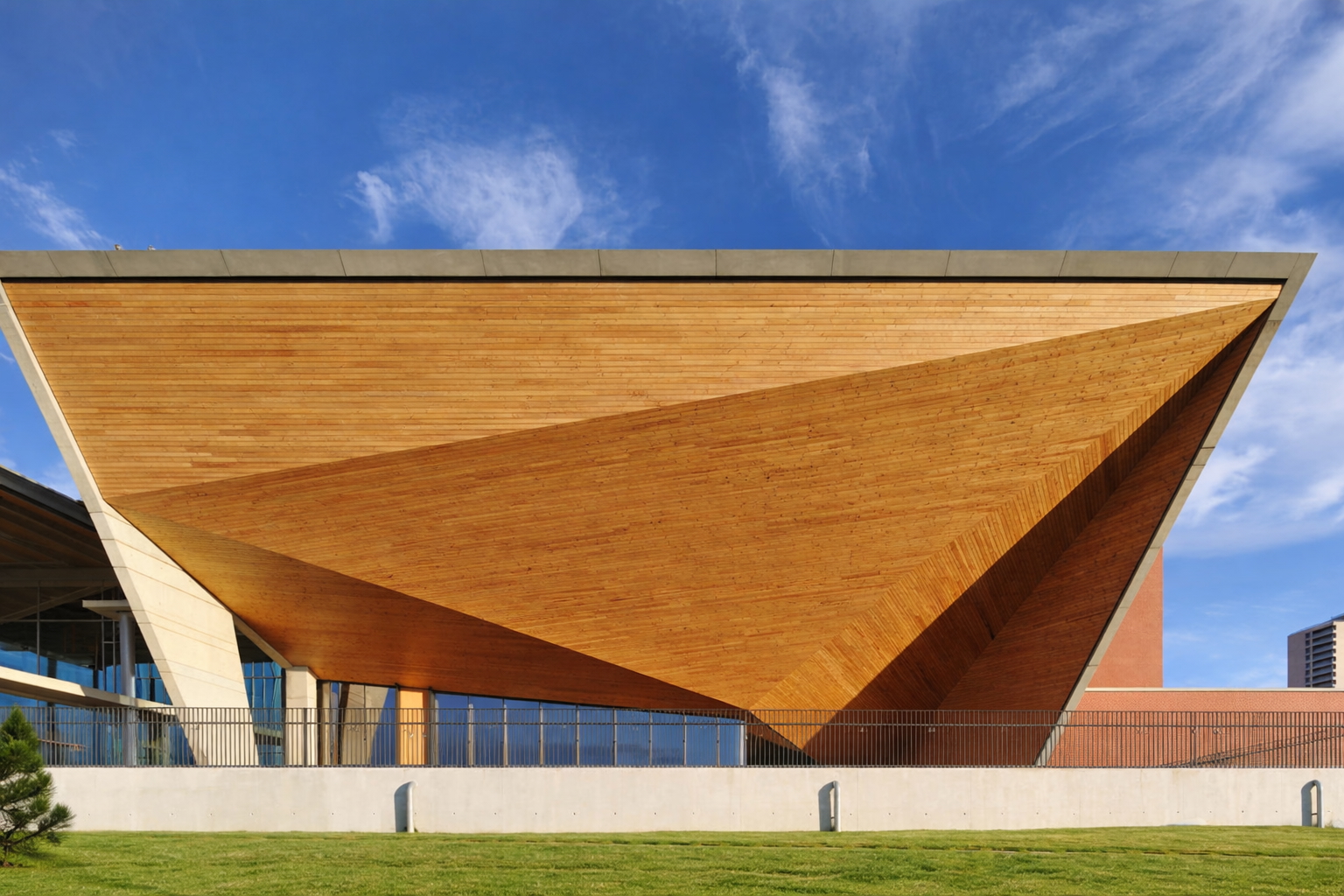
The choice between thermo wood and PVC cladding represents a fundamental decision: natural versus synthetic. Both materials have their advocates, and both can deliver durable exterior facades. This guide provides an objective comparison to help you decide which material best fits your project.
Material Overview
Thermo Wood is real wood that has been heat-treated at 180–230°C to improve durability and stability. No chemicals are used. The result is a natural wood product with significantly enhanced exterior performance.
PVC cladding is a fully synthetic product made from polyvinyl chloride plastic. It is designed to be maintenance-free and weather-resistant, often molded with a wood-grain texture.
Performance Comparison
| Factor | Thermo Wood | PVC Cladding |
|---|---|---|
| Lifespan | 25–30+ years | 20–30 years |
| Maintenance | Low (optional oiling) | Very low (occasional cleaning) |
| Appearance | Natural wood — unique grain | Synthetic — uniform, embossed texture |
| Thermal Performance | Natural insulator | Poor insulator |
| Impact Resistance | Good | Can crack in cold temperatures |
| Fire Performance | Combustible (Class B) | Self-extinguishing but releases toxins |
| UV Stability | Grays naturally | May yellow or chalk over time |
| Sound | Solid, natural feel | Can sound hollow when tapped |
Cost Analysis
- Thermo wood materials: $4–$8 per sq ft
- PVC cladding materials: $3–$7 per sq ft
- Installed cost (either): $9–$20 per sq ft
Material costs are comparable. Installation costs are similar since both materials are lightweight and use standard tools. The main cost difference over time is that thermo wood may benefit from occasional oiling ($0.50–$1.00/sq ft every 1–2 years), while PVC requires only cleaning.
Planning a decking or cladding project?
Use our material estimator or explore our premium hardwood and thermo wood materials.
Environmental Impact
This is where the two materials diverge most dramatically:
Thermo Wood:
- Made from renewable, sustainably harvested wood
- Chemical-free modification process
- Carbon negative — stores CO2 throughout service life
- Fully biodegradable at end of life
- FSC/PEFC certification available
PVC:
- Made from petroleum-based plastic
- Manufacturing process produces toxic byproducts
- Not biodegradable — persists in landfills indefinitely
- Releases toxic fumes if burned
- Recycling options are limited
Aesthetic Considerations
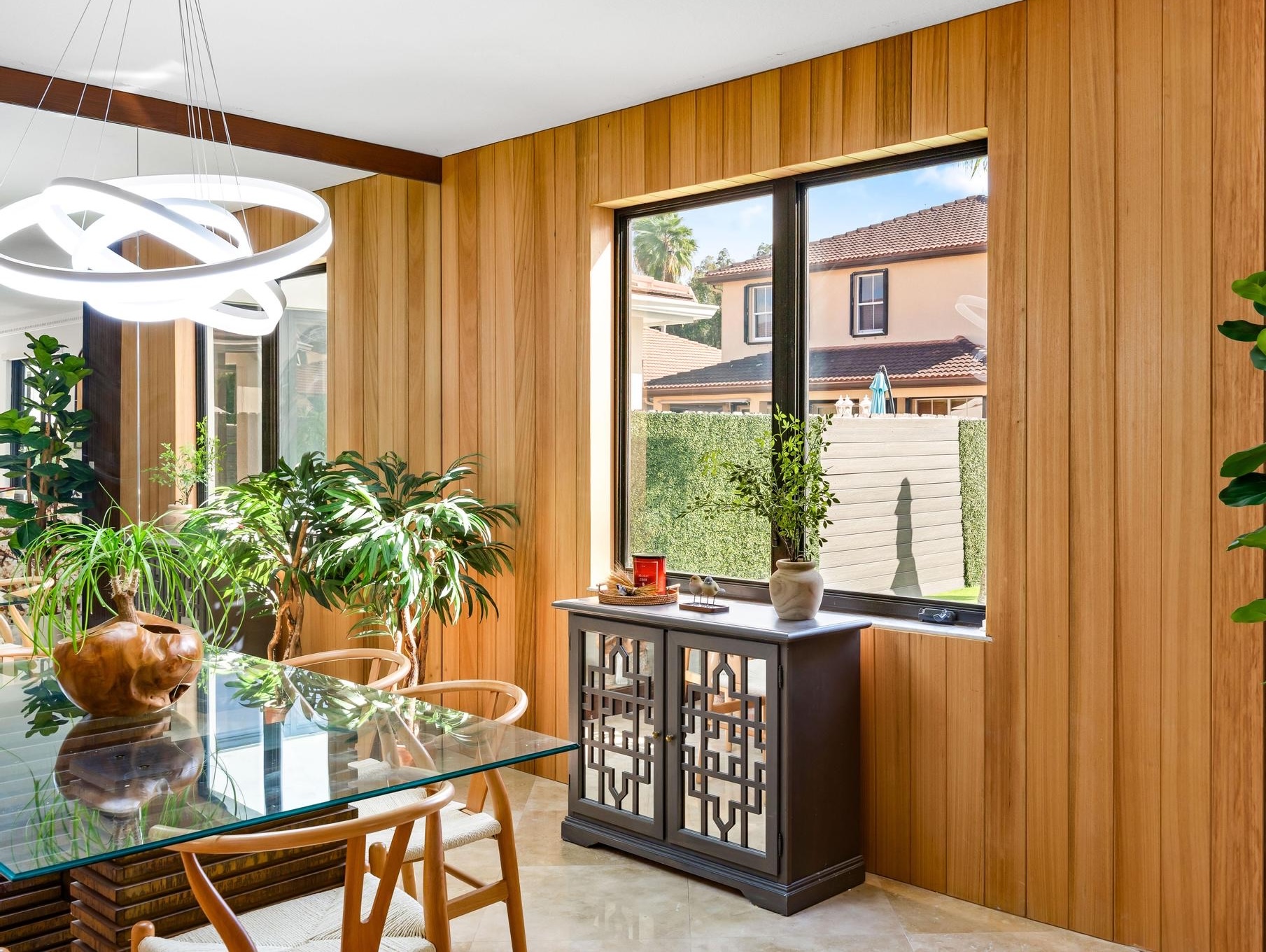
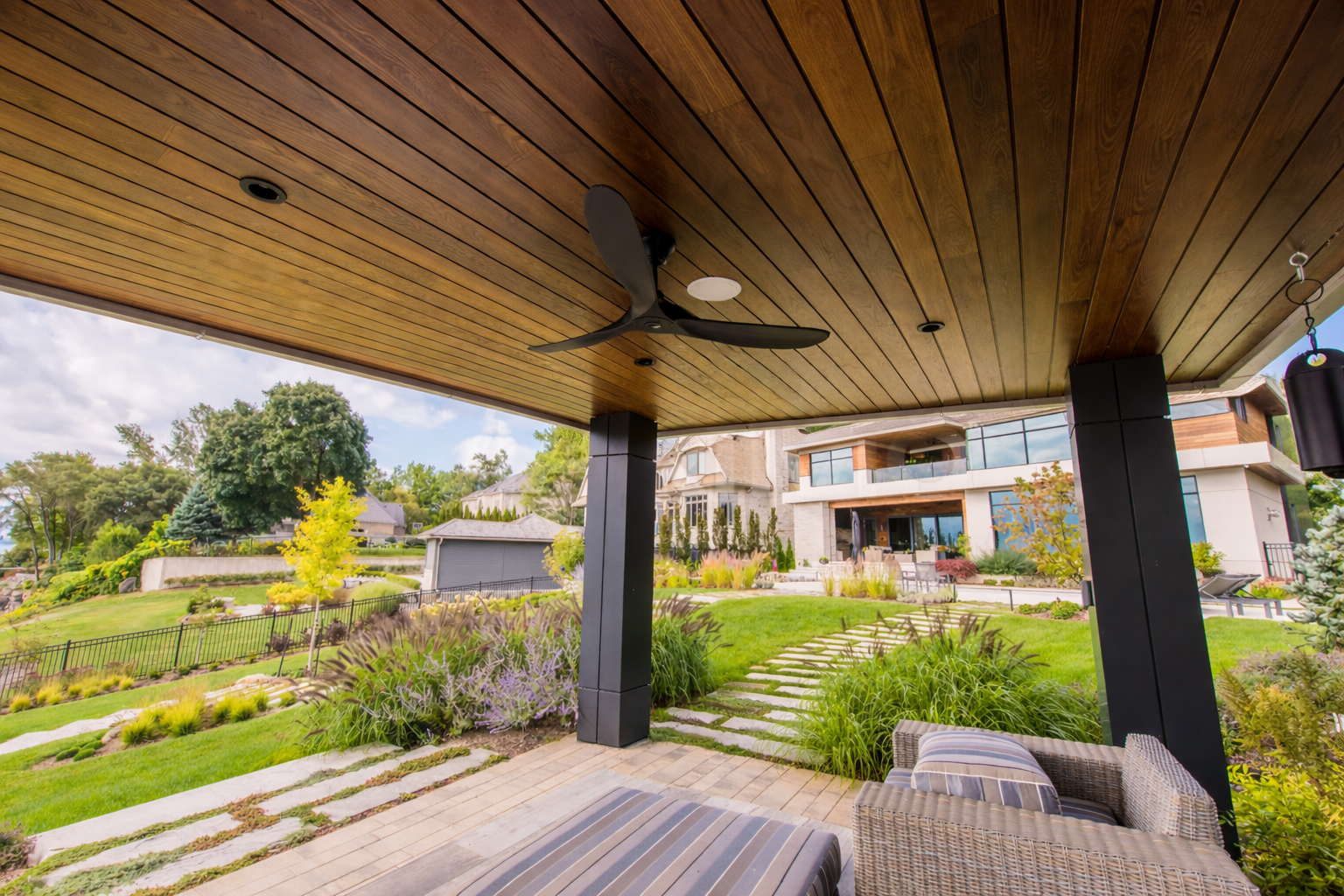
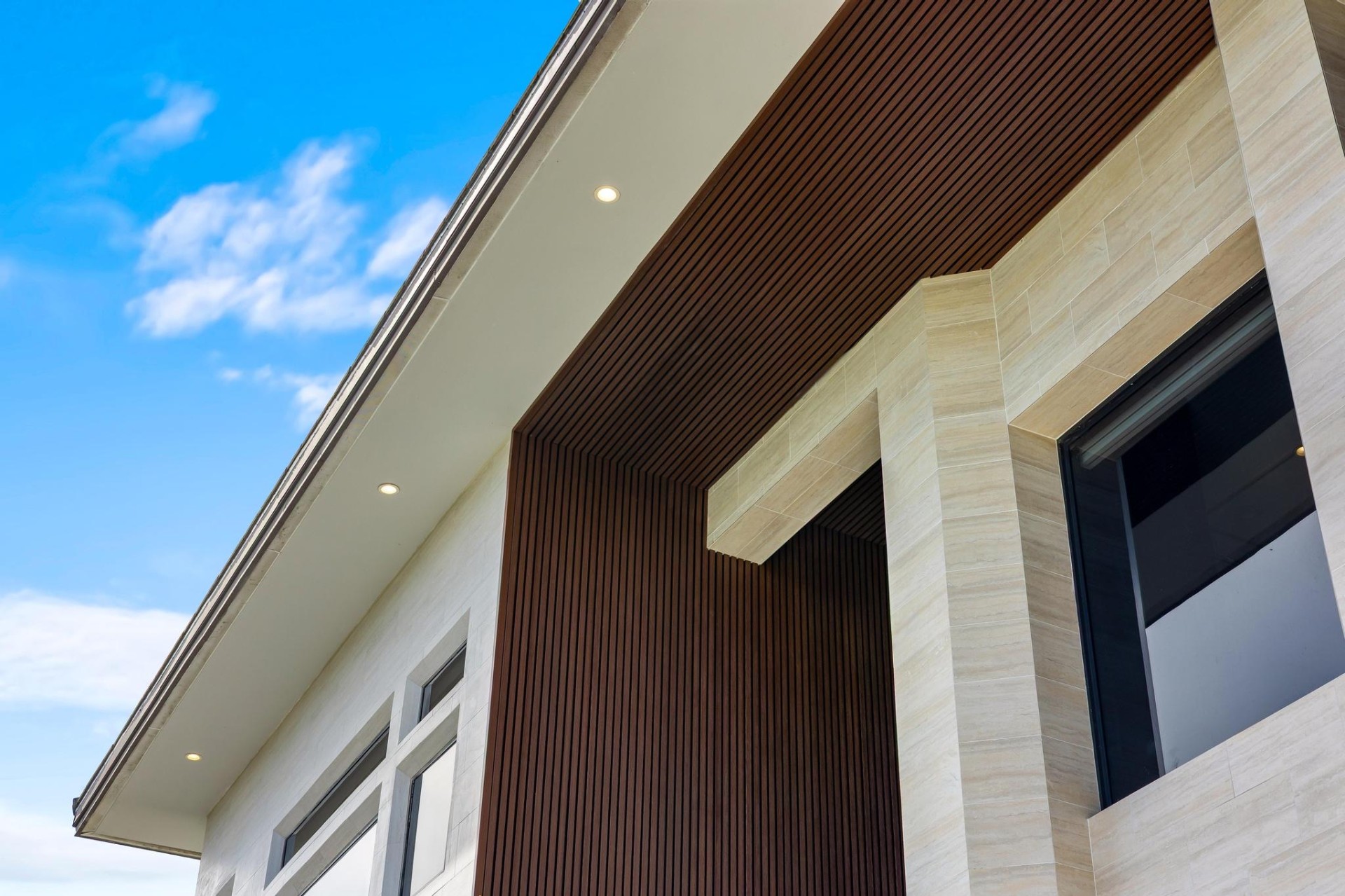
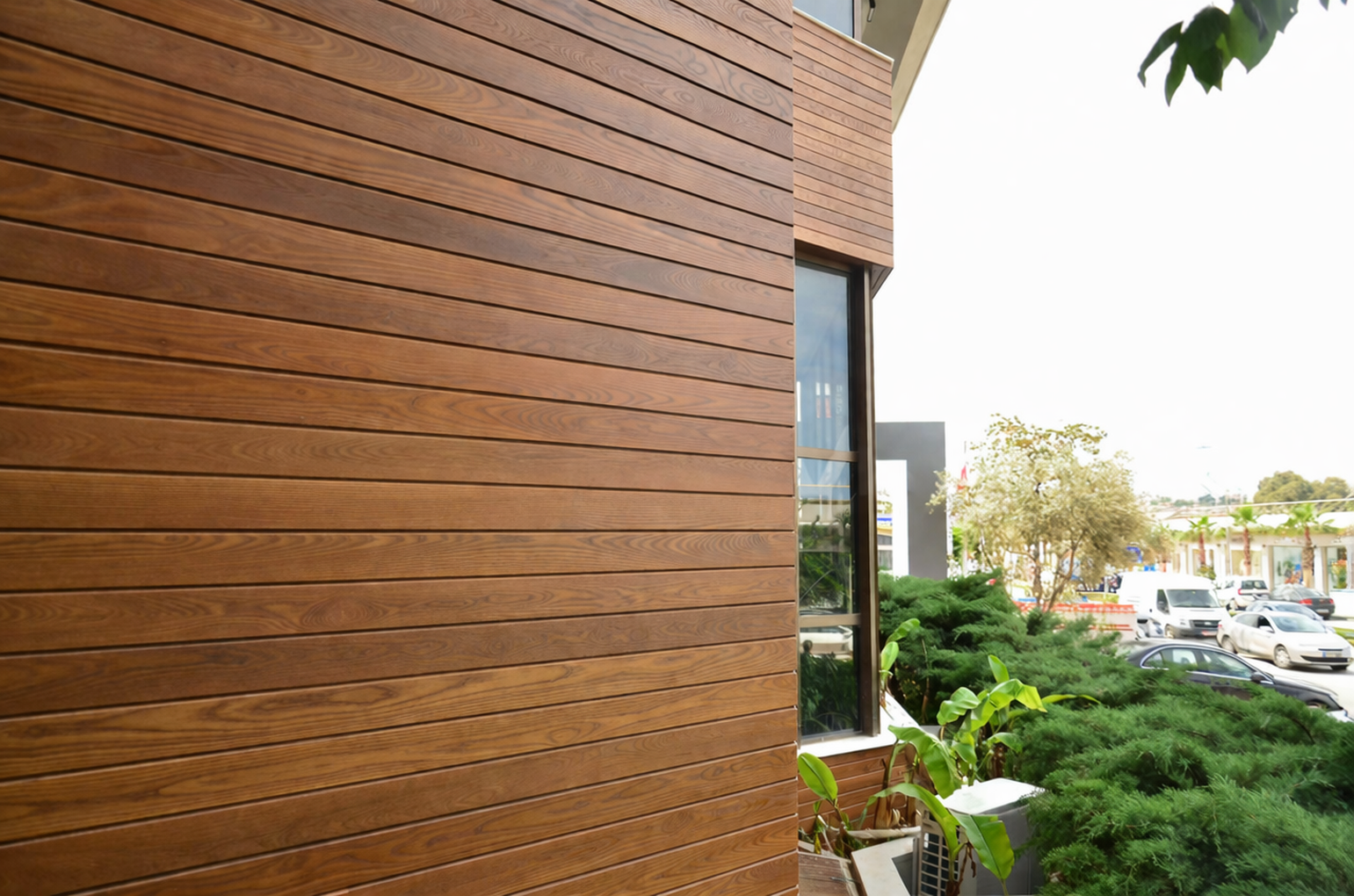
Thermo wood offers the warmth and authenticity of real wood. Each board has unique grain patterns, and the material ages gracefully — developing a silver-gray patina or maintaining its brown color with oiling.
PVC cladding provides a uniform, consistent appearance. While modern PVC products have improved their wood-grain embossing, the material still lacks the depth and character of real wood under close inspection. PVC can also develop a chalky or yellowed appearance with age.
Which Should You Choose?
Choose thermo wood if:
- Natural aesthetics and authenticity matter to your project
- Environmental responsibility is a priority
- You want a material that ages beautifully
- Natural insulation properties are valued
- The project is in a region where architects/designers specify natural materials
Choose PVC if:
- Absolute minimum maintenance is the top priority
- Budget is the primary driver
- The project requires a uniform, synthetic appearance
- Environmental considerations are not a priority
Ready to start your project?
Explore our premium materials or get help planning your project.